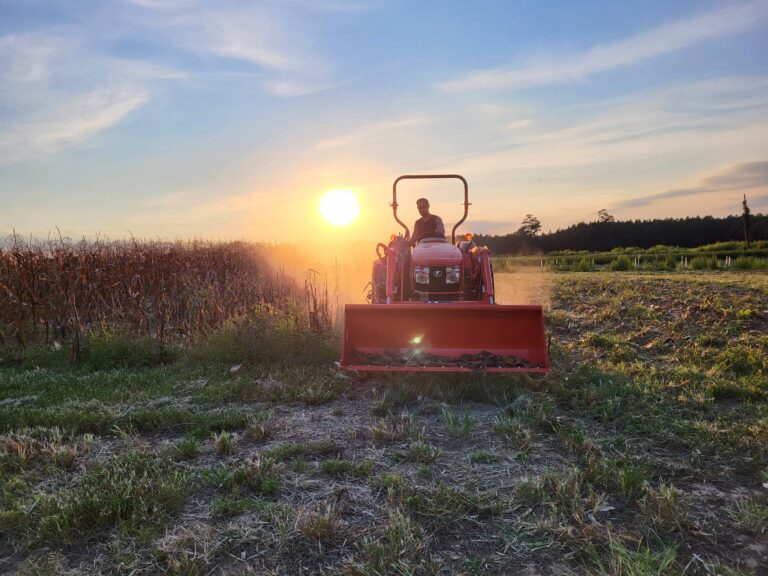
2025 was an exciting year at Cotton Patch Farms! Our farm is really starting to grow into itself. We introduced a new species of livestock, took our crop fields out of crop production, made a big change to our animals’ nutrition, and took on a lot of smaller projects along the way. The year was full of new things, and we have enjoyed it.
We added sheep to our farm!!!
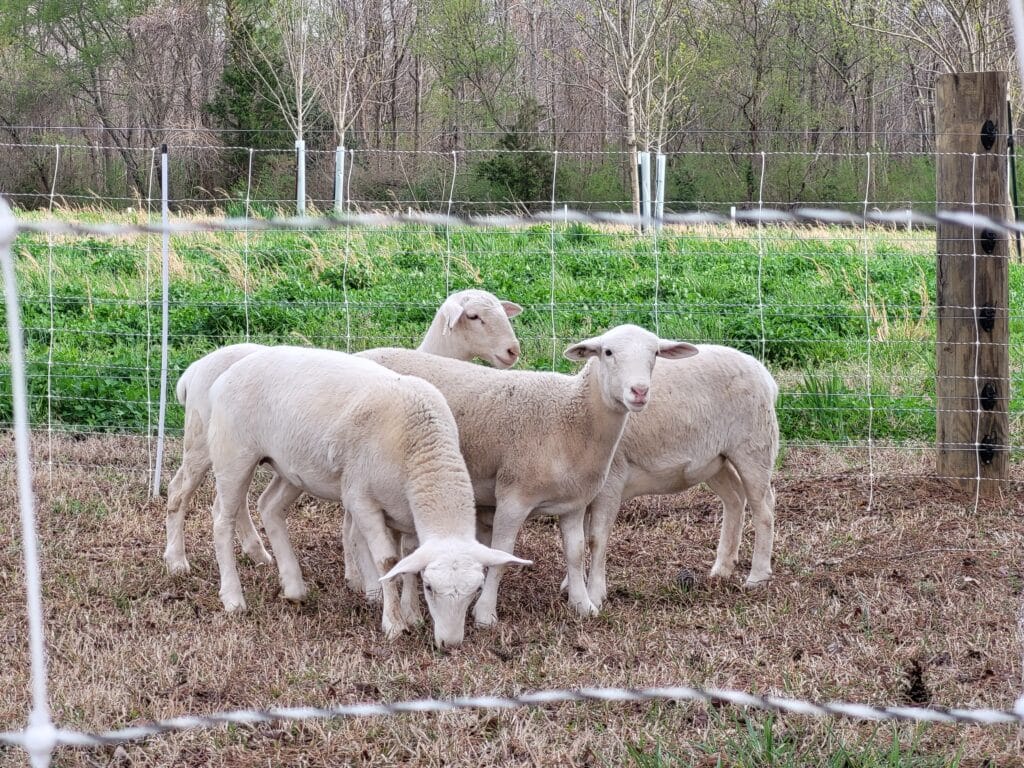
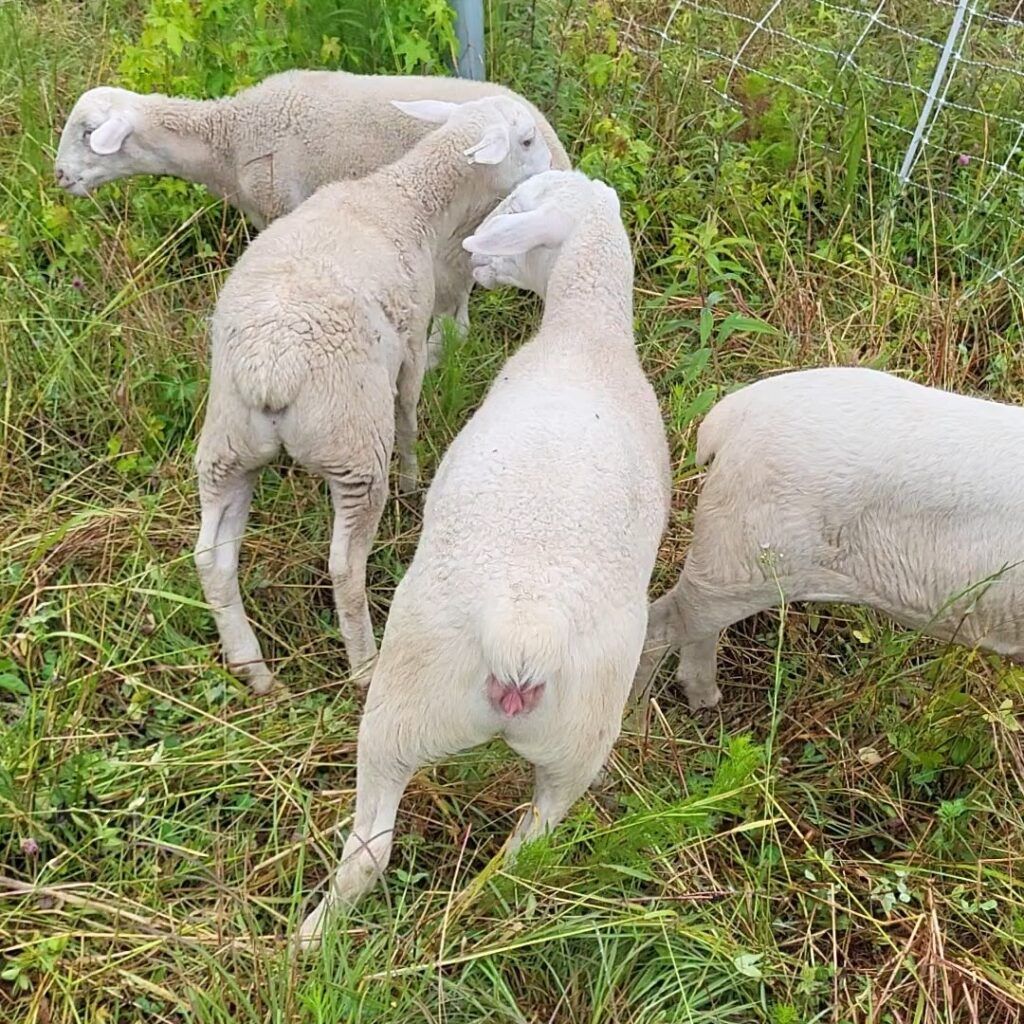
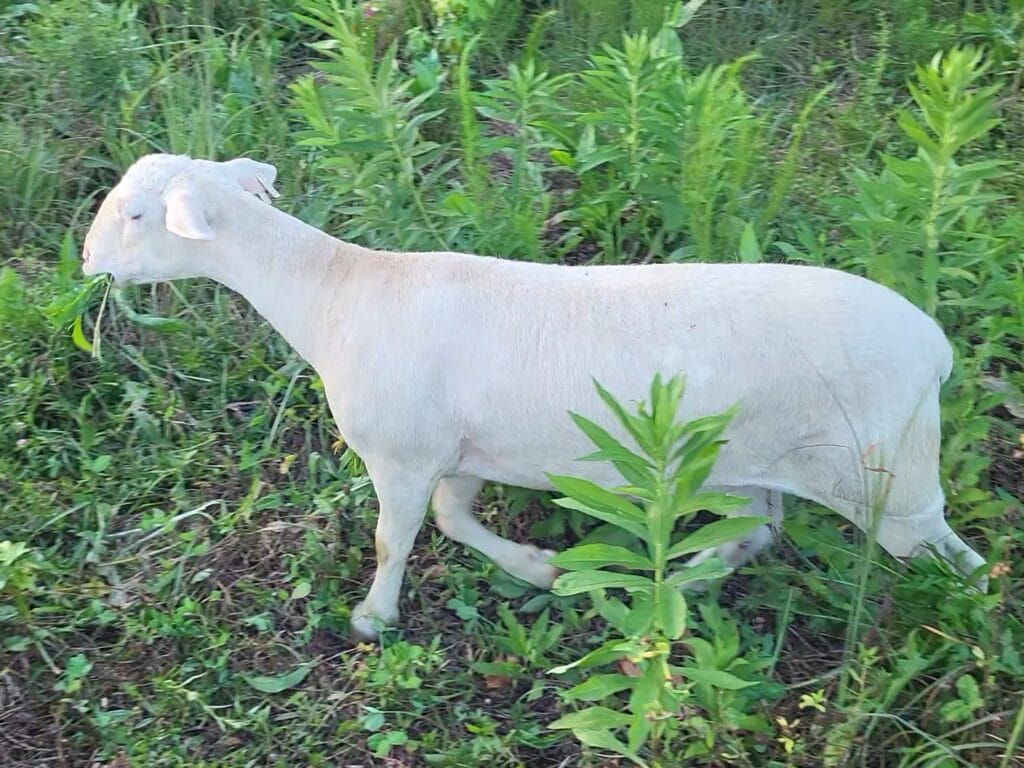
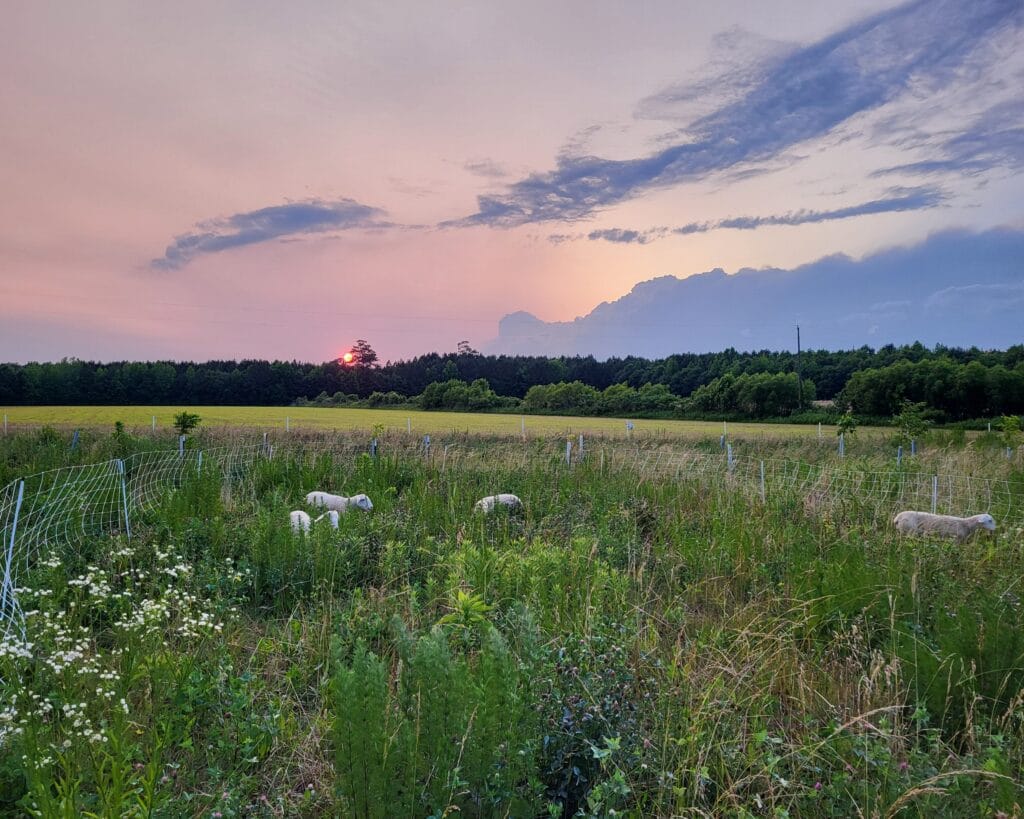
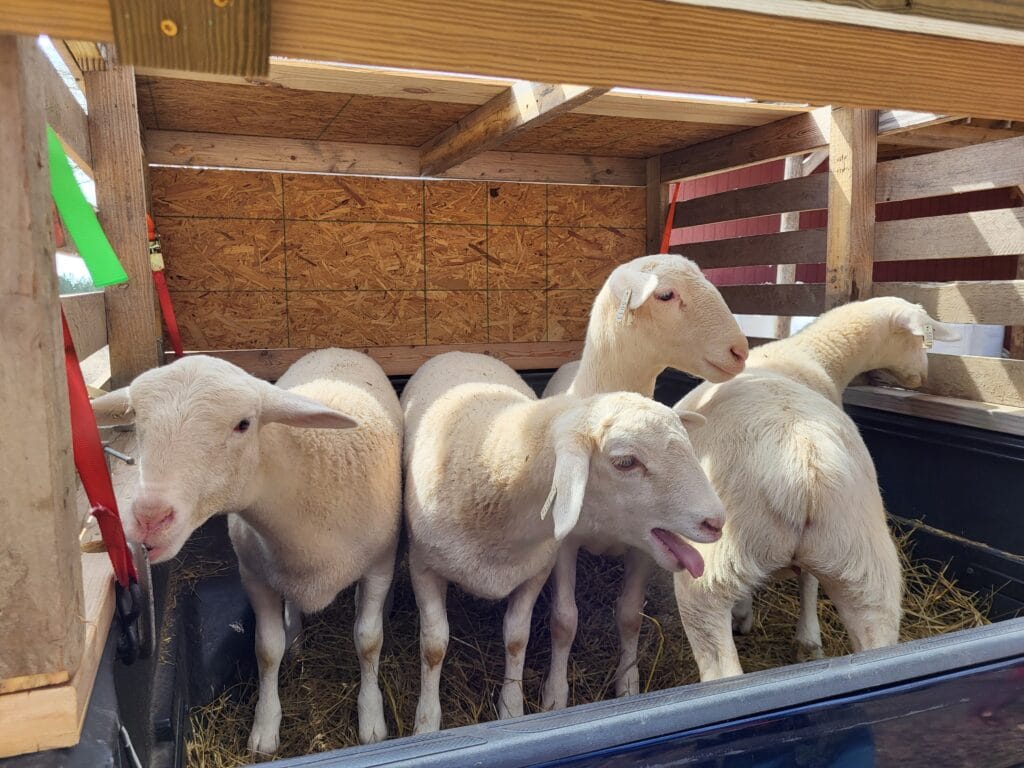
For the last several years, we have been preparing to add sheep and cows to our farm to improve the land and provide meat. Our decision was to start with sheep, and we decided on hair sheep for their low maintenance and resistance to heat and parasites. At first, we didn’t care much about the breed – local hair sheep sounded fine. But for some reason, local sale posts tended to look like the sheep were raised in a mud pen. This didn’t sit well with us. We wanted our first sheep to be from a healthy flock with history on pasture. If the breed had a history of low inputs on pasture, that would be great, too. It wasn’t long before we had a breed in mind (Royal White) and started looking for a breeder. It was a lot longer until we found one. When we found a farm with ewes for sale within a few hours of us, we went for it! In March, we bought four young Royal White ewes from Bravo Cattle in NC.
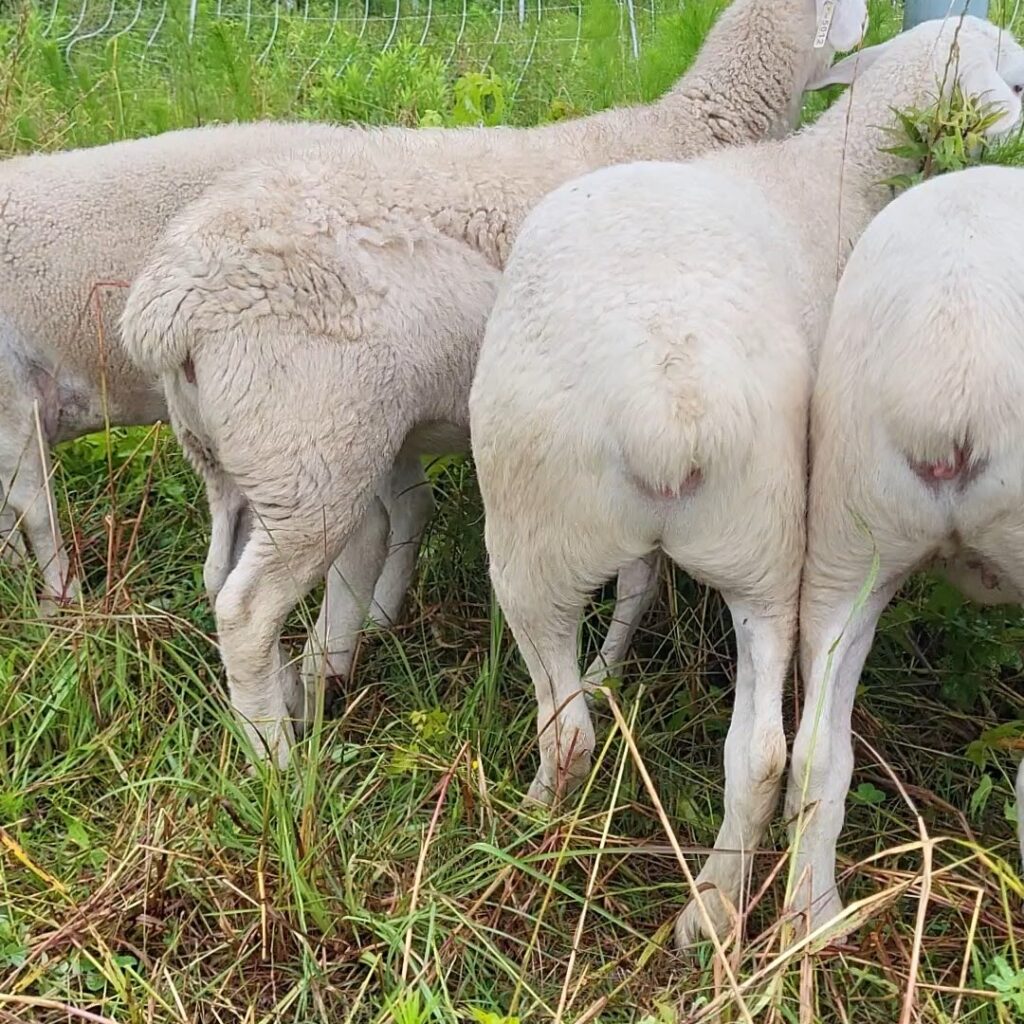
We are very pleased with our ewes. They are friendly, inquisitive, and genuinely seem to like us. They also really, really like to eat. It was nice to start out with grazing animals that very obviously enjoyed grazing. As our ewe lambs grew, we’ve stayed impressed with how good they look. They have continued to keep a good body condition, even when dealing with our heavy infestation of meningeal worm (more on that later). Most of what they eat is just pasture. This winter, we’ve been supplementing with a modest amount of alfalfa pellets to give them some protein. When they first came, we gave them lamb pellets. But most of the time, it’s been straight pasture and they have been loving it. We are definitely pleased with our Royal White ewes.
By the way, if you are interested in tasting Royal White meat, the farm our sheep came from ships their lamb, beef, and pork nationwide. Yum!
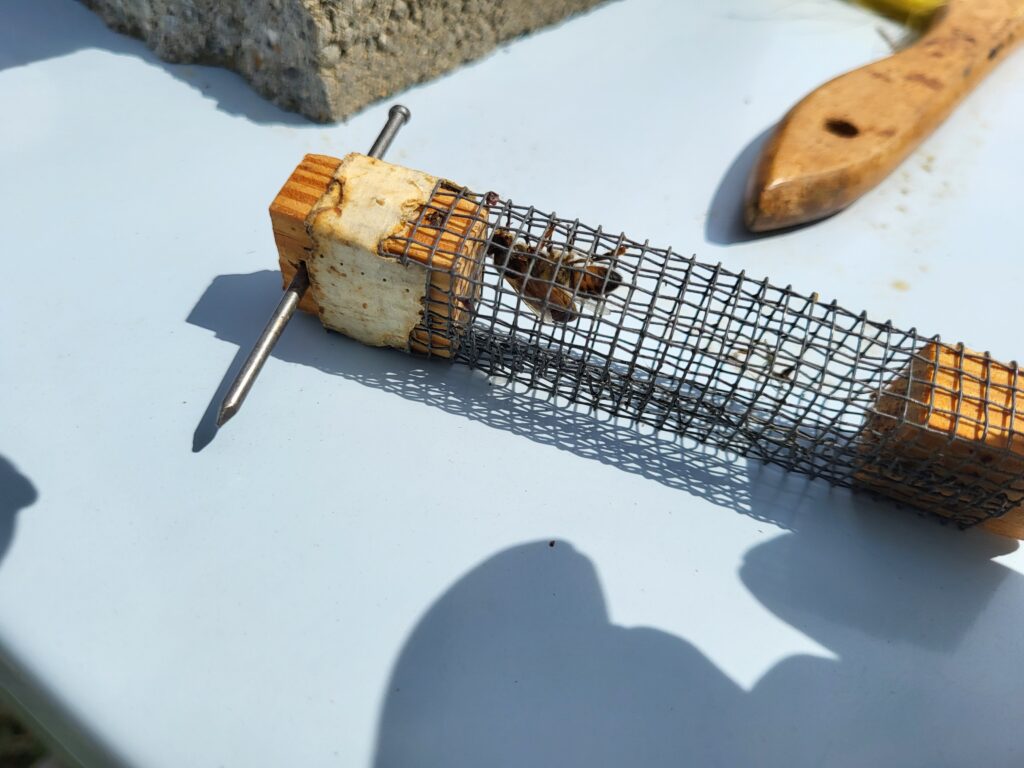
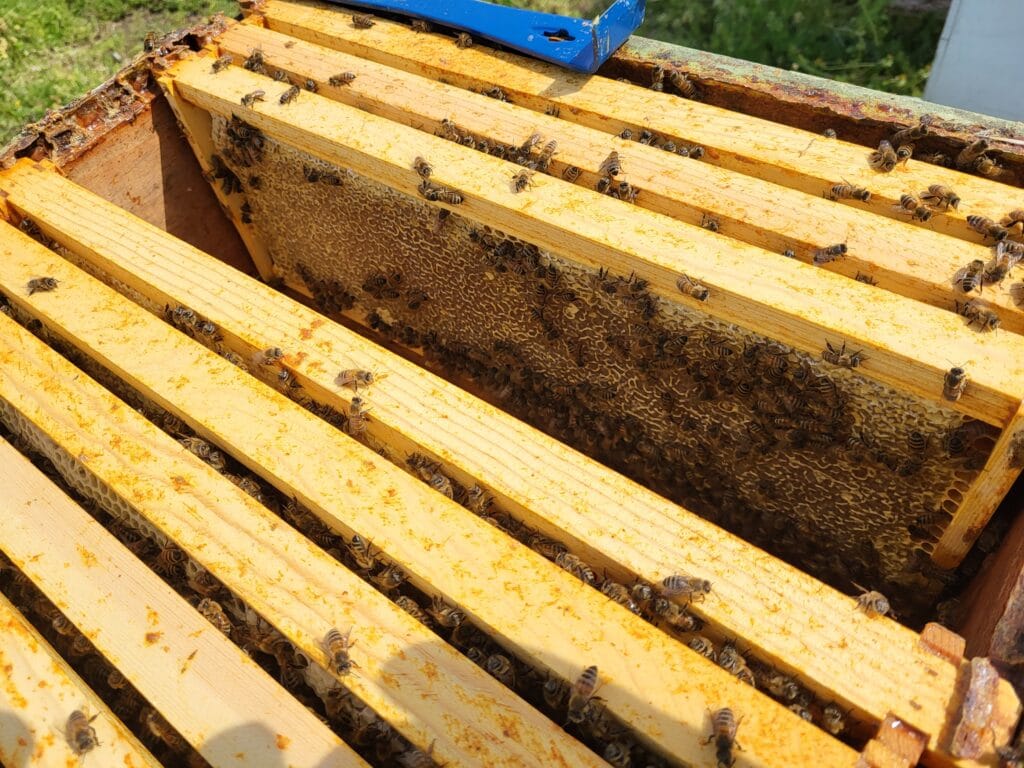
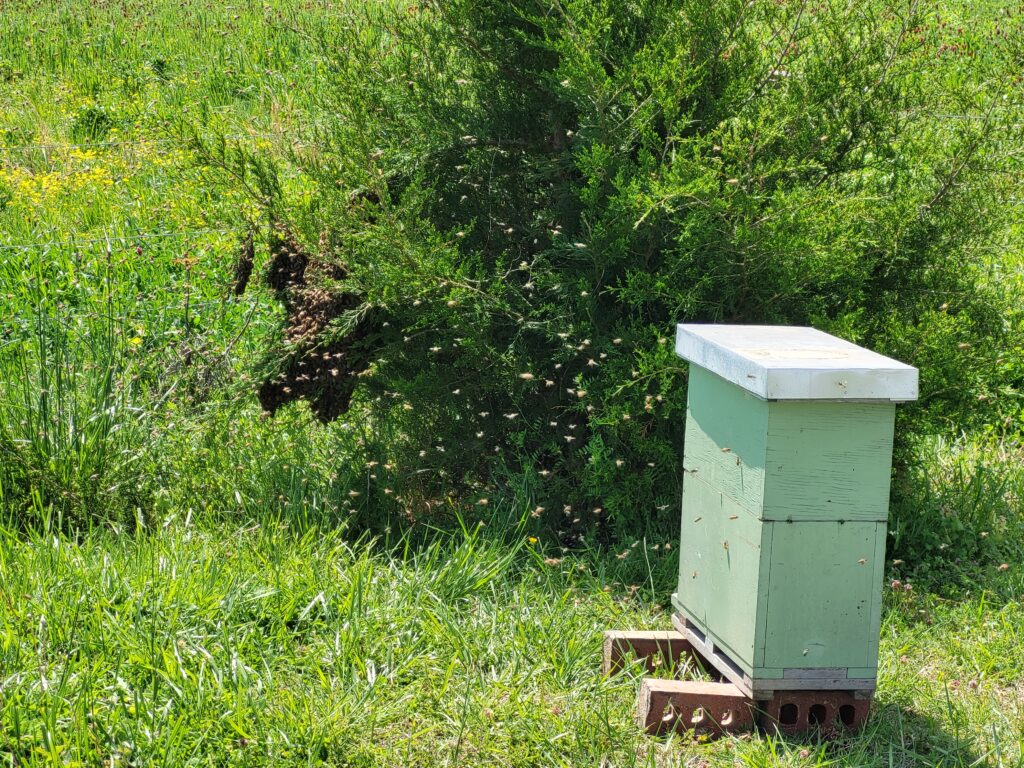
Our beehives had some big changes in 2025. First, we replaced our aggressive queens with calmer purchased queens. We were really happy we did – in 2024, we couldn’t so much as mow near the hives without getting chased, and every time we went into the hives, bees would divebomb us for the next few days. It wasn’t fun. After the queens were replaced, our hives settled down and by summer, the new worker bees were a lot more pleasant to be around.
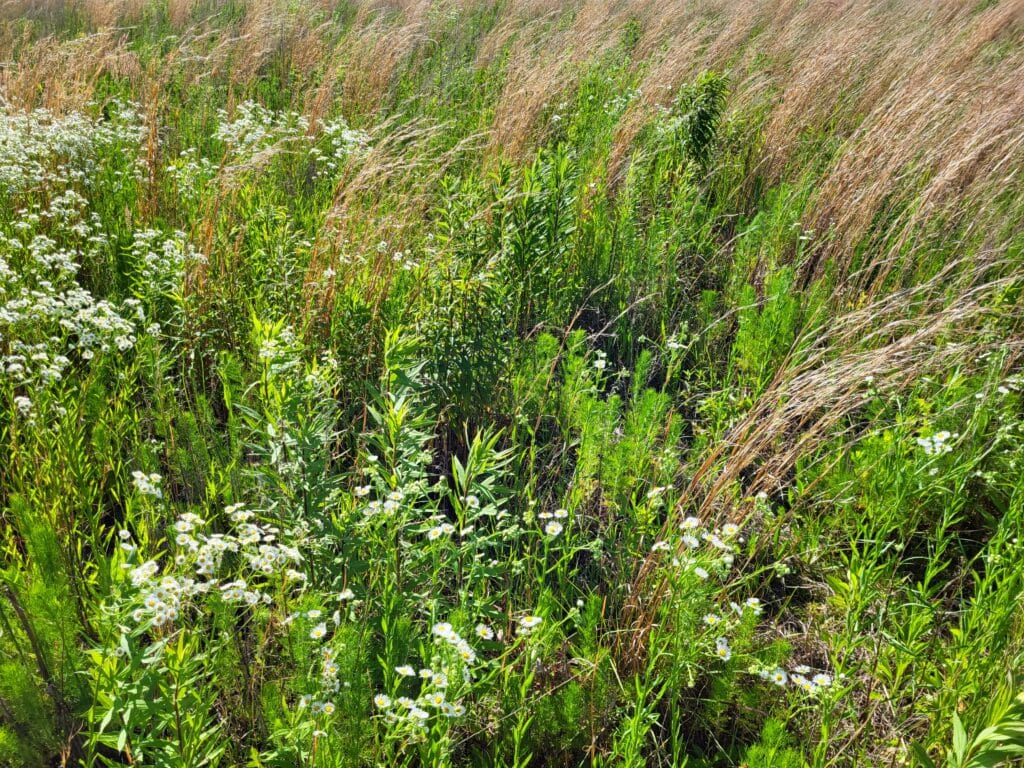
The other big change is that we took our crop fields out of crop production!!! Our fields are now officially dedicated to honey production. Because Virginia’s Land Use-Value Assessment Program allows honeybee product sales as an agricultural use, our fields are now in the program under honeybees instead of crop production. This means that we are no longer leasing our land to other farmers, and our land is completely under our control! The wildflowers that cover our farm are no longer in anyone’s way.
With our fields devoted to honey production, we will continue to make slow soil improvements, encourage native plants, and plant flowers. This is wonderful for our hives. When we started our farm, we would run out to try and cover the hives when the cotton got sprayed every few weeks. We have been without sprays for several years, but this is a whole new milestone. It gives us a lot more freedom and the ability to prioritize our farm’s pollinators.
THANK YOU, Cotton Patch Farms customers, for supporting us and our hives! We couldn’t have made this switch without you!
(And thank you to our no-spray crop farmers as well – without you, we might still be dodging cotton spray.)
A few months after bringing home our sheep, we encountered a problem: Parelaphostrongylus tenuis, which goes by the names meningeal worm and brainworm. This worm is a parasite that lives in its natural host: the white-tailed deer. In deer, the worm travels to the spinal cord and brain, then matures and reproduces. The next generation travels outside the deer, where snails and slugs become the intermediate host. It’s all quite safe for the deer, since it is the natural host.
Unfortunately, sheep are not natural hosts. Meningeal worms enter their systems when they eat infected snails or infected slime trails. Then the worms travel through the body, damaging the spinal cord and brain and causing severe neurological symptoms. With a mature length of up to 9 centimeters, it’s not surprising that these worms cause immense physical damage. Things don’t end well for the sheep if its symptoms are not caught in time to treat. The treatment is heavy doses of dewormer (to penetrate the spinal cord) and anti-inflammatories. You can read more about symptoms and treatment here.
In our flock, the symptoms were consistent – our sheep’s back legs would slowly tip sideways as they went about their day. We are very thankful that Dr. Shanna at The Oaks Equine and Farm Services was able to come out to our farm right away and start treatment for our sickest ewe before it was too late. All of our ewes survived their bout with meningeal worm and have gone on to recover. We have not had to treat any of them again. We think that there was a heavy infestation because of our very wet spring, but we are definitely watching for symptoms at all times now.
In early 2025, we ran some soil tests in our pasture to see how the soil was doing. The last test we did was in 2022, when the pasture tested at 5.3 pH. We have had lime applied twice since then. Our 2025 test result is 5.9, which is definitely an improvement. We decided to amend several minerals based on the test as well. We really want the pasture to thrive.
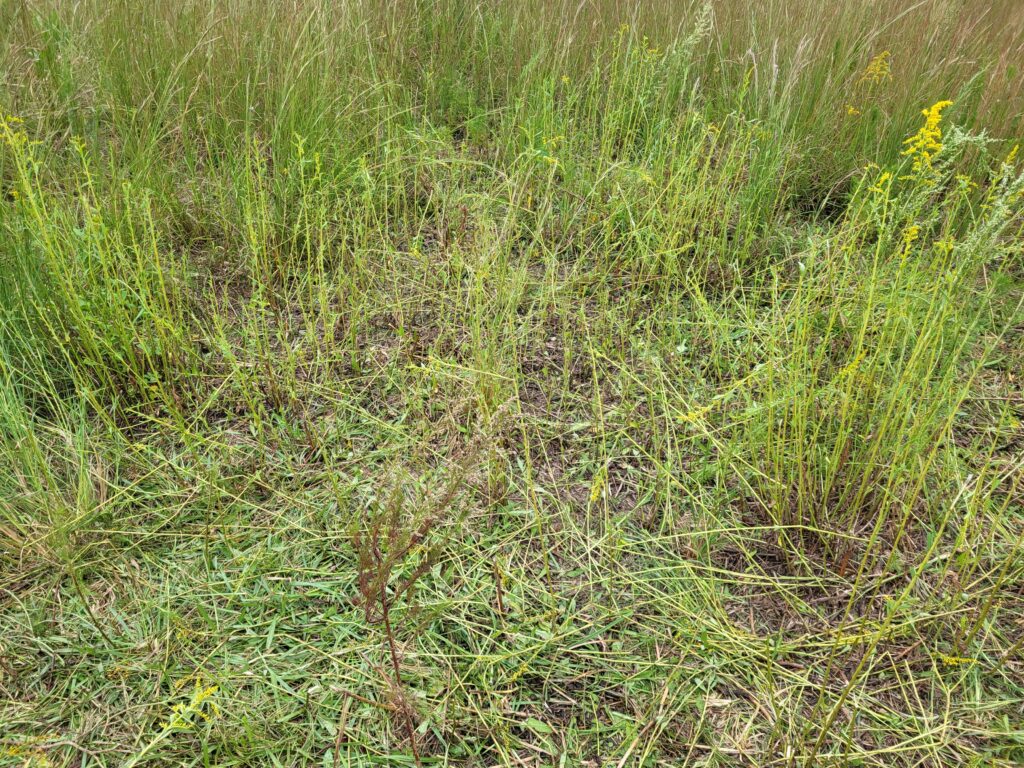
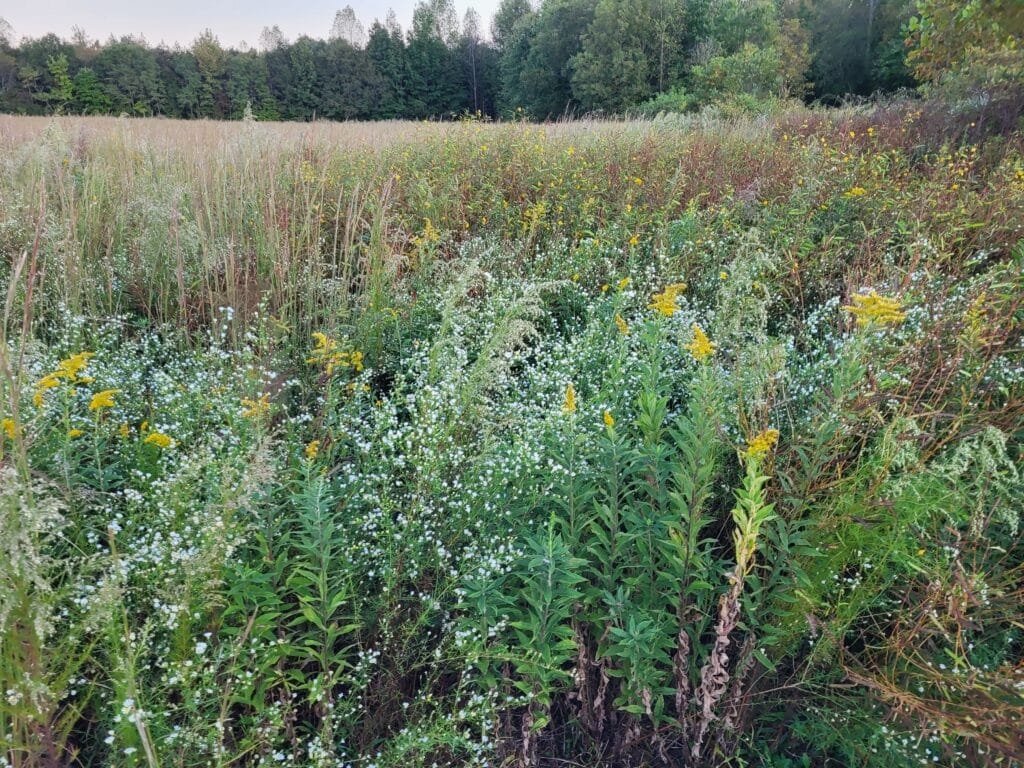
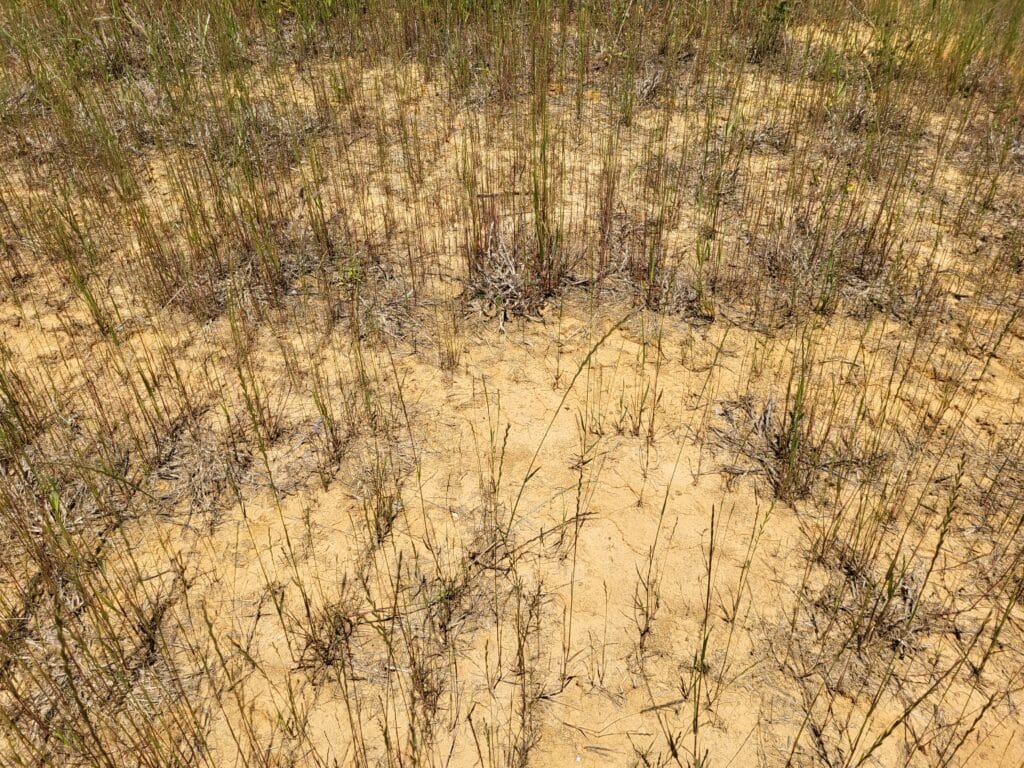
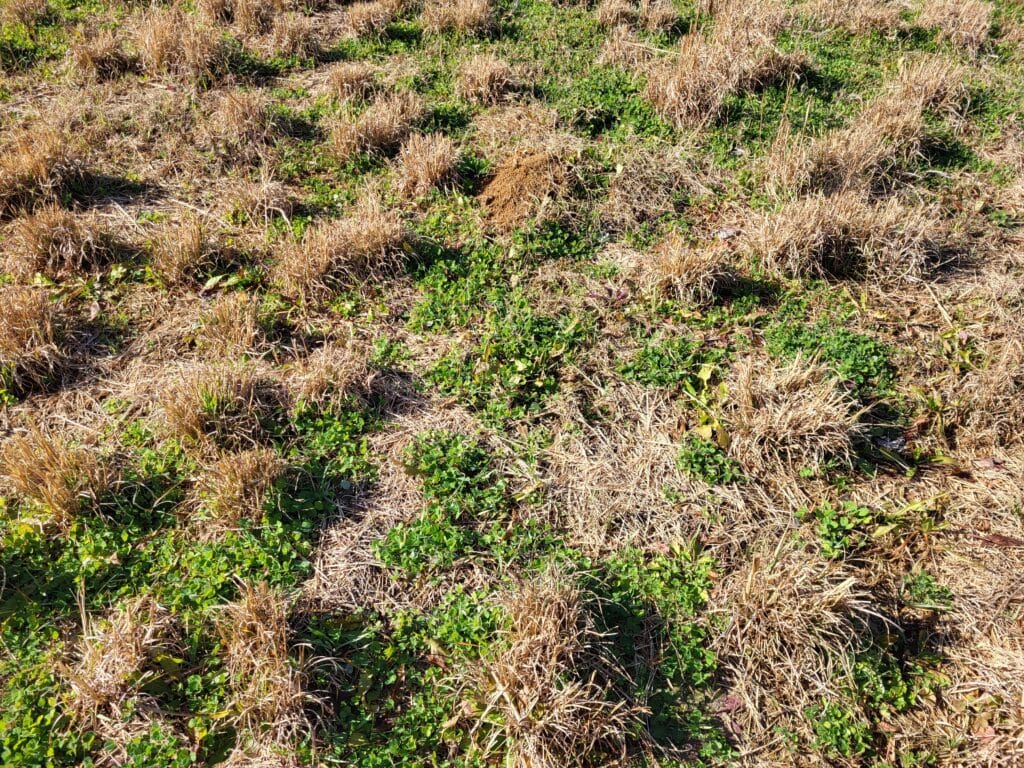
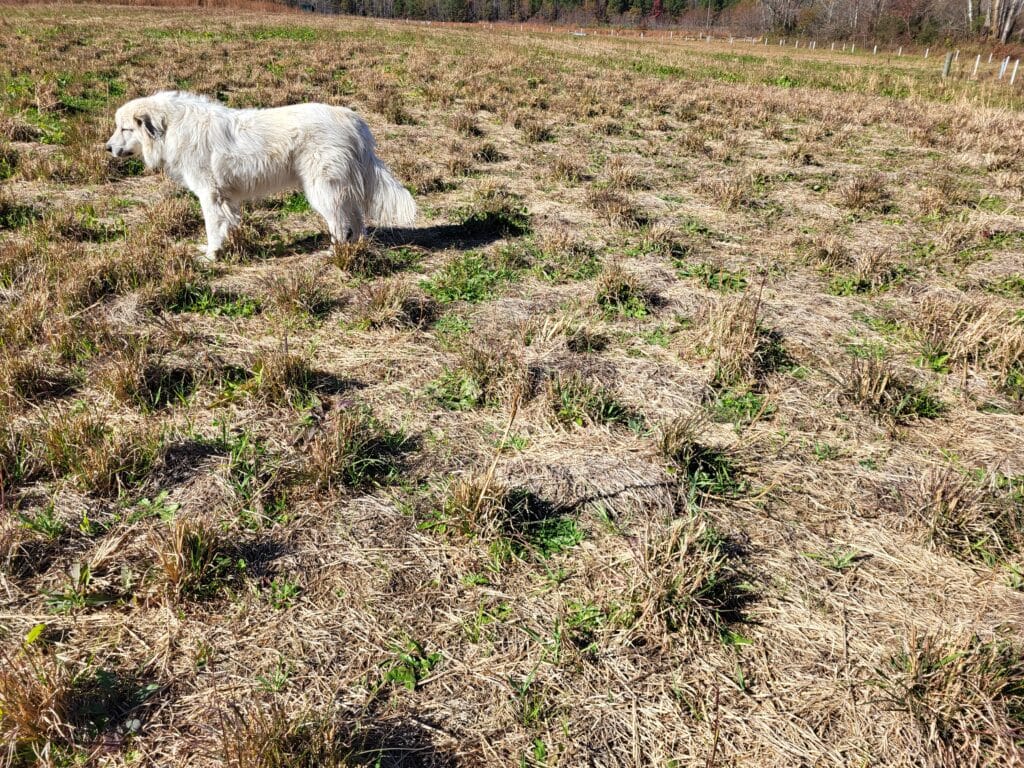
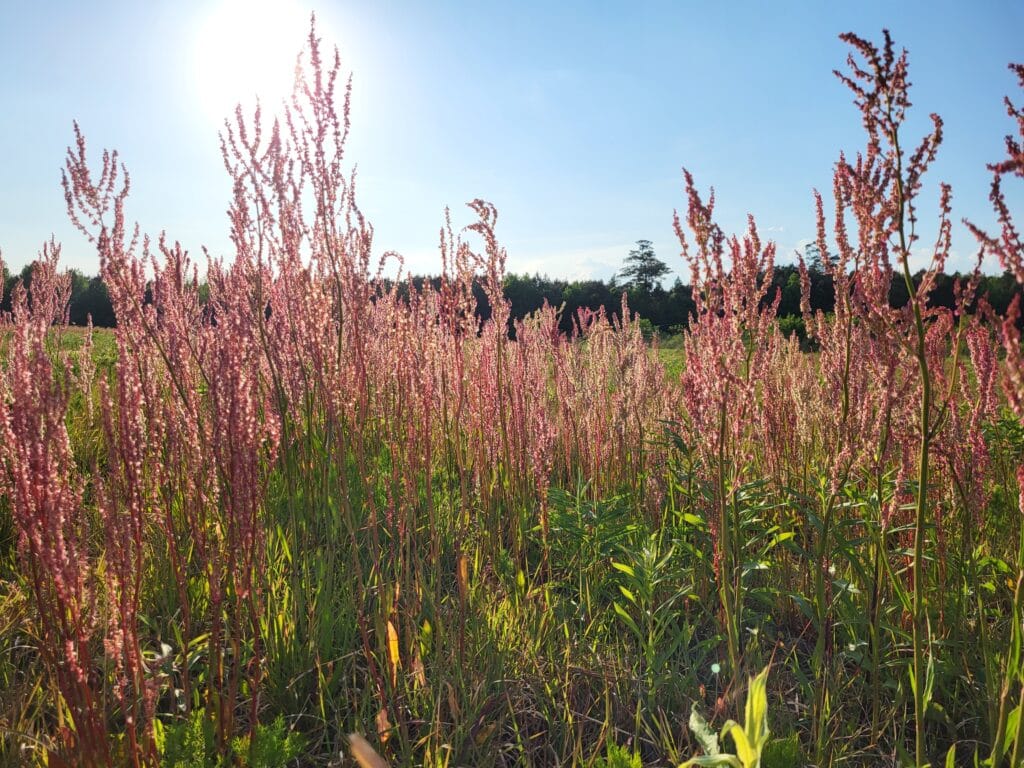
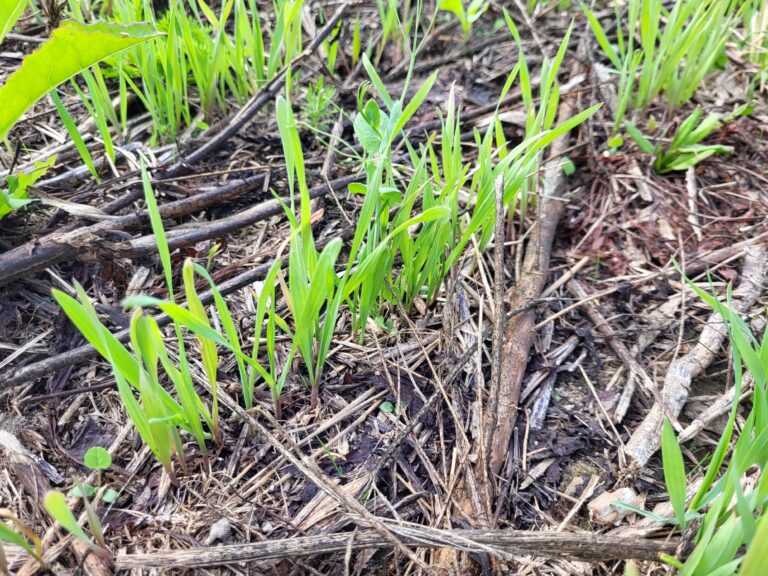
We are continuing to see visible changes in our pasture. 2024 was the year of the dogfennel, and 2025 has been the year of broomsedge. We aren’t the biggest fans of weedy plants like broomsedge, but hey, it’s a lot better than nothing, and it sure holds the soil together! We bought some spoiled hay from a local farmer and scattered it across the worst clay areas to help cover the ground, support plant life, and add fertility. These areas continue to slowwwly fill in with plants. Fun fact: these clay areas tested at 4.7 pH in 2022.
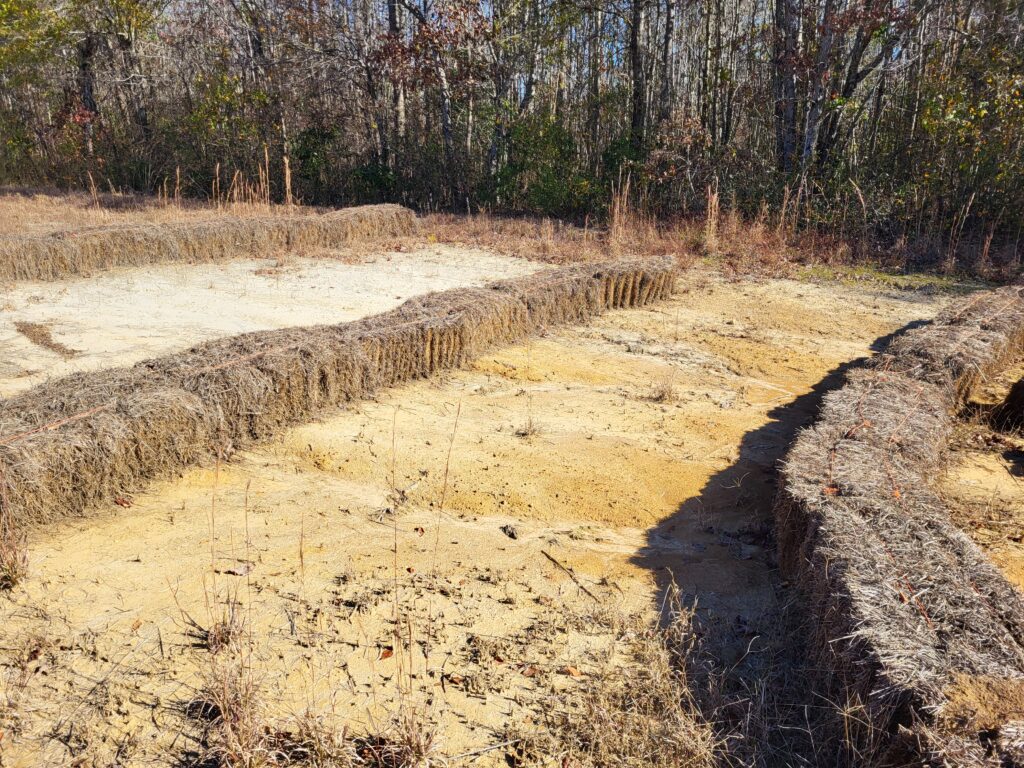
Several bales of hay went in a gully area in a different part of the farm to slow down erosion. You may notice that the clay here looks extremely eroded. Now that our fields have been taken out of crop production, we will be able to work on more projects like this.
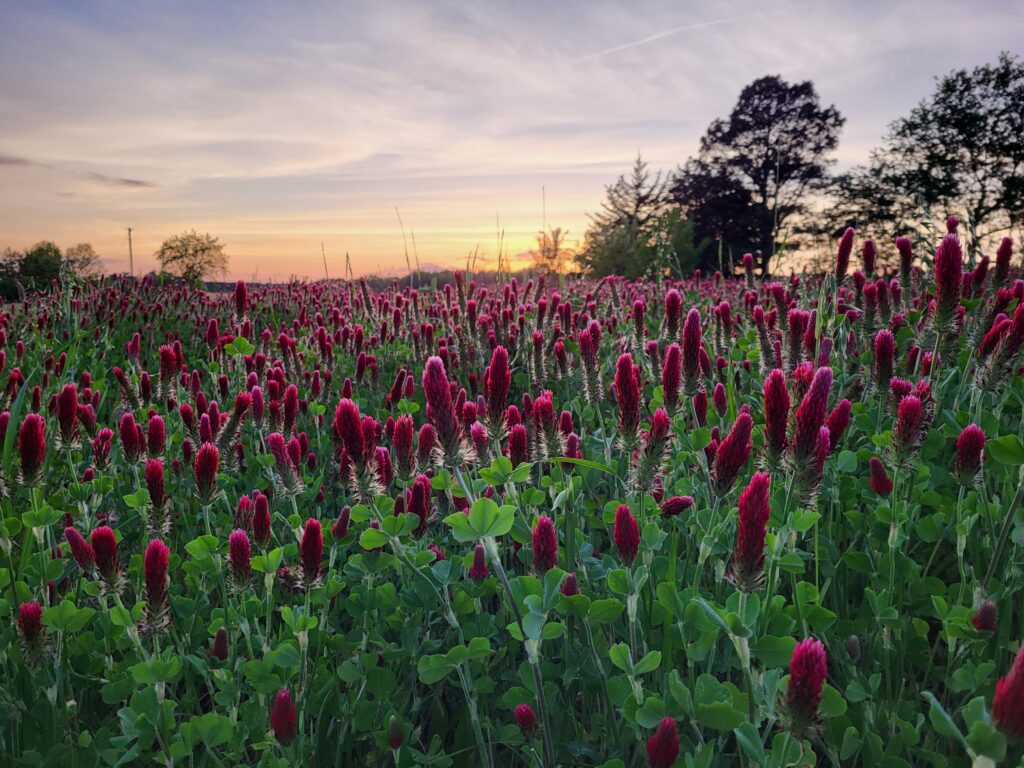
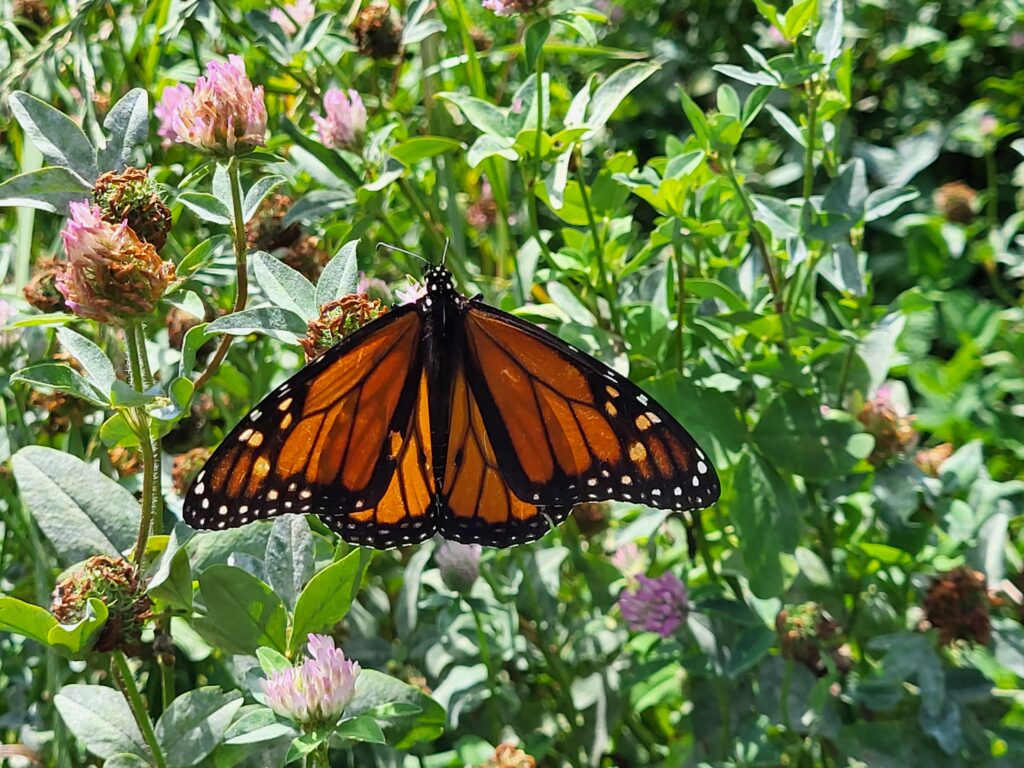
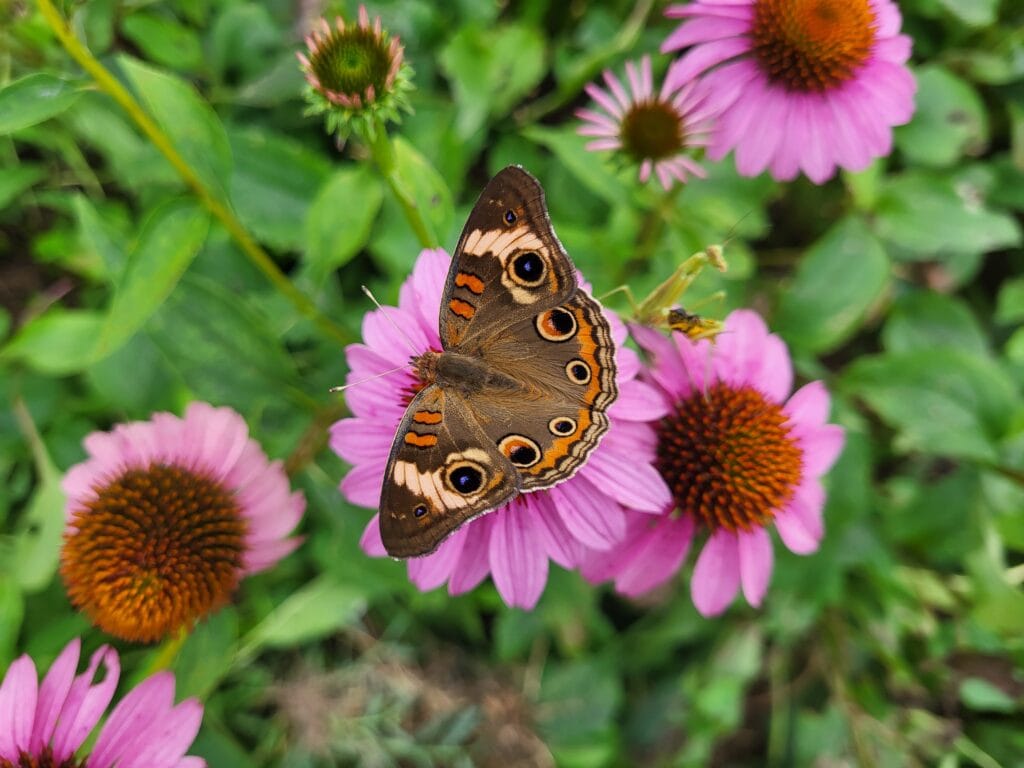
We are observing more natives on our property. This year, the big one was the Monarch butterfly. We’ve been looking for them here for years, and all of a sudden they were all over! We will be planting native milkweed across the farm in the spring to help accommodate the Monarch and, no doubt, other pollinators. We hear that milkweed flowers are a big hit!
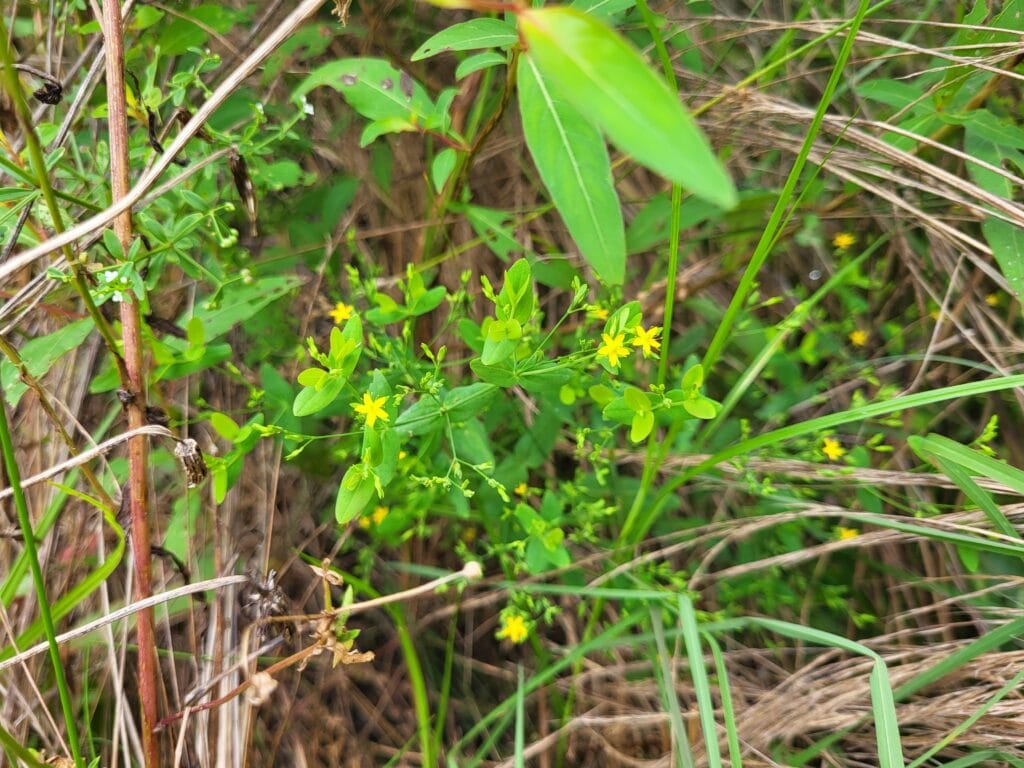
Native plants that emerged on their own this year included Spring Ladies’ Tresses orchid, Heartwing Sorrel, Beaked Cornsalad, Dwarf Dandelion, Dwarf St. John’s Wort, Sweet Everlasting, and Slender-leaved Thoroughwort. Those are some of the ones we identified, anyway. It’s exciting to think that many more native plants are out there!
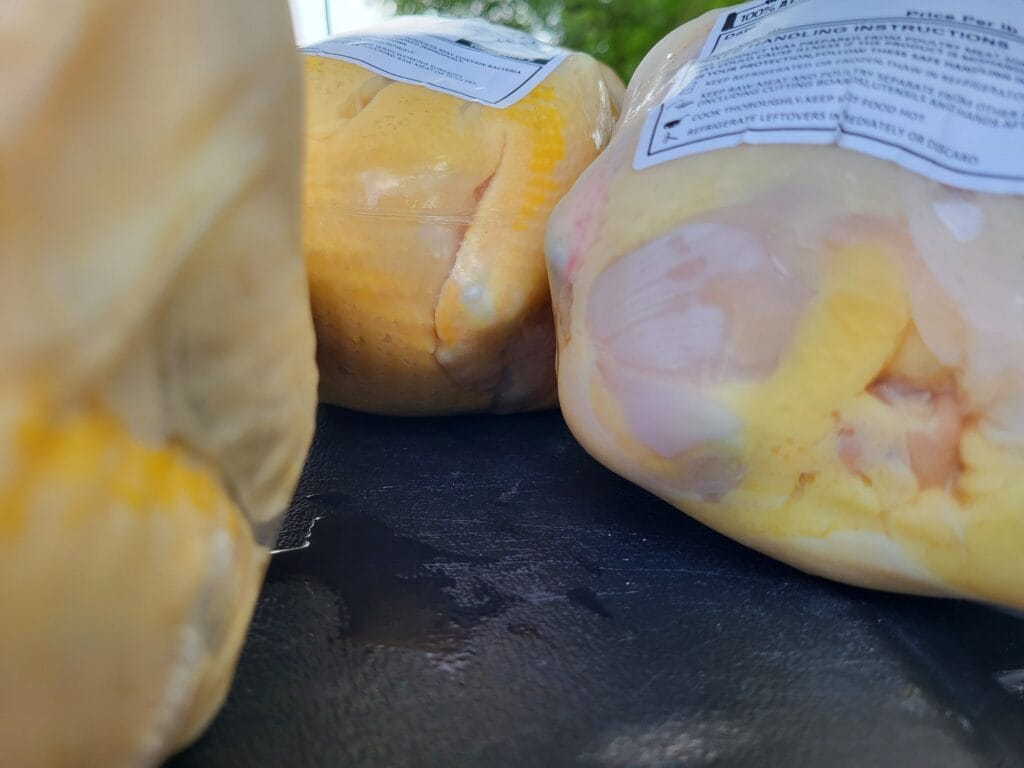
Another 2025 project was building a bigger chicken tractor and raising a big batch of meat chickens. We intended to offer some meat for sale, and maybe raise another batch later on. That didn’t happen.
Shipping was the main problem. Several weeks before our chicks were due to ship, we started hearing stories about the postal system, shipped chicks, and horrifyingly long delays. We were relieved when our chicks were only one day late in the mail. But even though we picked them up as soon as possible, 20 were already dead. We did our best to save the survivors, but several more died over the next few days, and the ones that made it weren’t vigorous. It took until they were close to processing age for the chickens to actually look healthy. We decided to keep this batch for our own freezer and not order any more chicks this year.
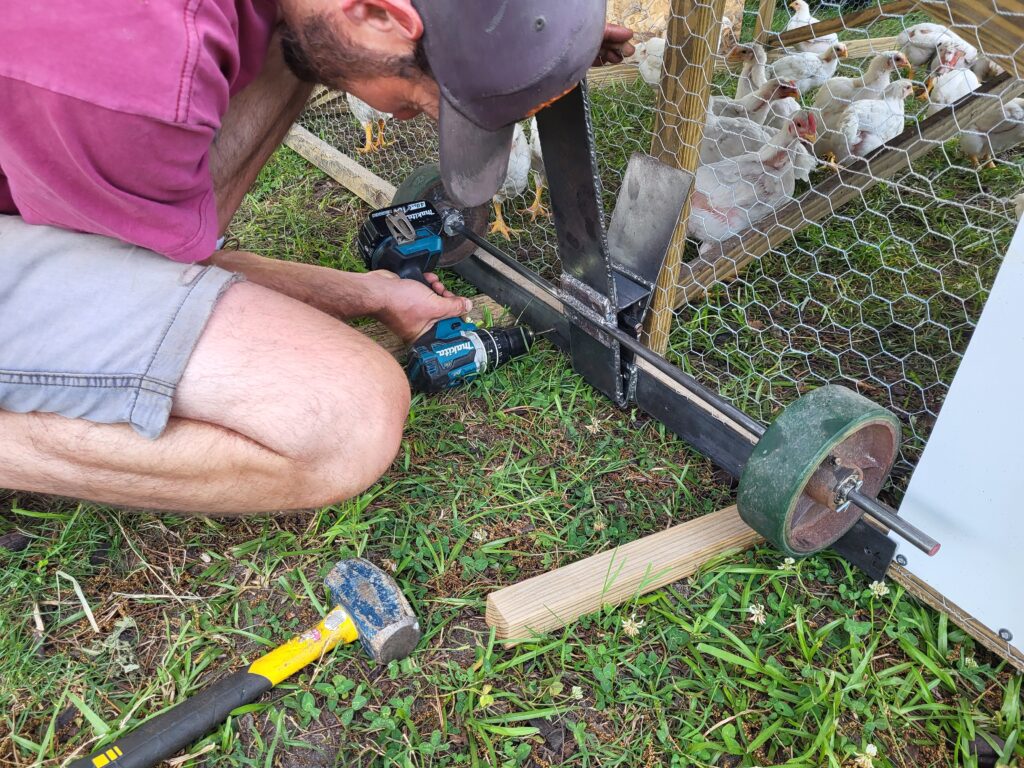
Caleb built a Salatin-style chicken tractor and a lifting wheel system to make moving it easier. The wheel lift attaches to the back of the chicken tractor and can be lifted or lowered. The setup worked great in our yard. When we moved it into the pasture, however, we found that we have to mow very short in front of it to be able to move it at all. And it’s not just plant height that’s a problem, uneven ground and even thick clumps of plants are culprits as well. We can’t lift the pen higher because the wood the wheels attach to does not seem strong enough. So we thought we had the chicken tractor figured out, but it turned out that we were wrong and it was hard to move.
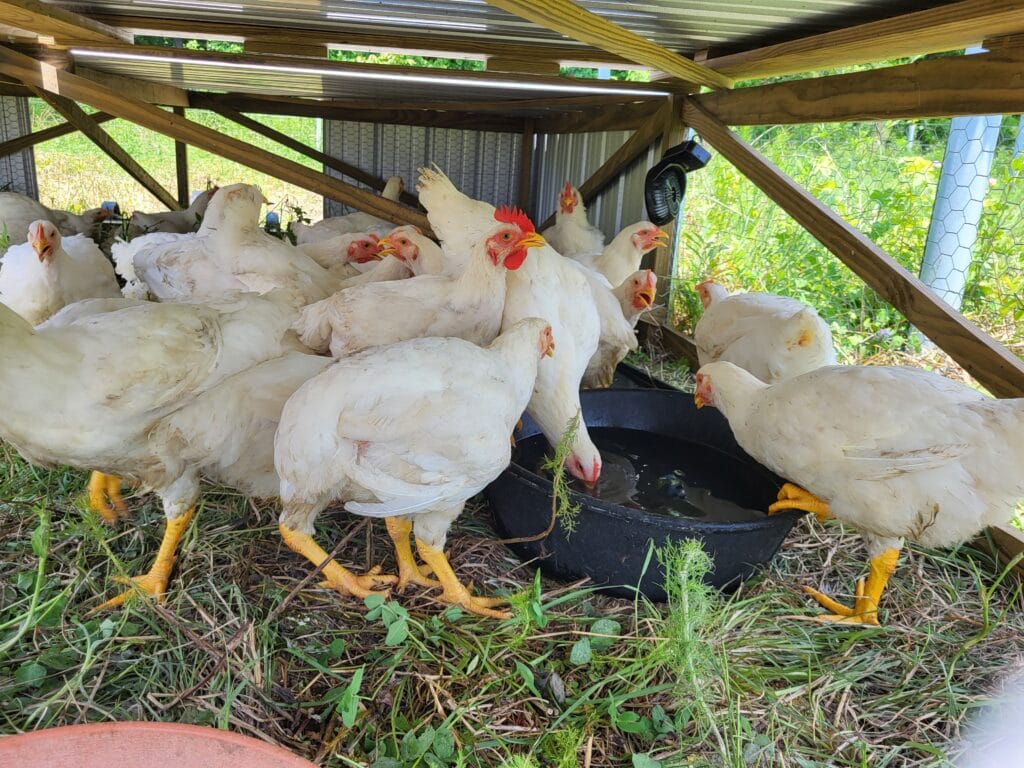
We were close to processing time when the week-long heat wave came along. That was an interesting week. Cornish cross meat chickens are very prone to heat stress, so we expected to lose several, especially toward the end of the week. We gave them shallow pans of water to stand in and a battery-powered fan during the heat of the day. It was a long week, but they all made it through, and with no severe signs of stress! Maybe because they didn’t have to move their pen during the heat wave like we did. . . .
We haven’t used the chicken tractor since.
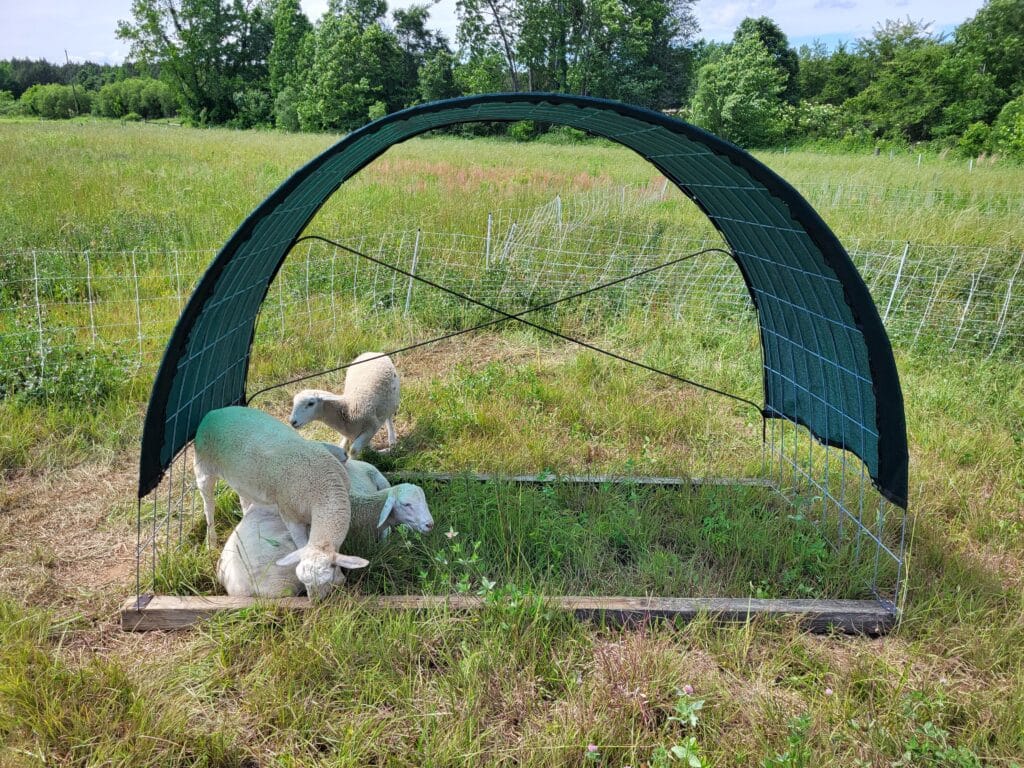
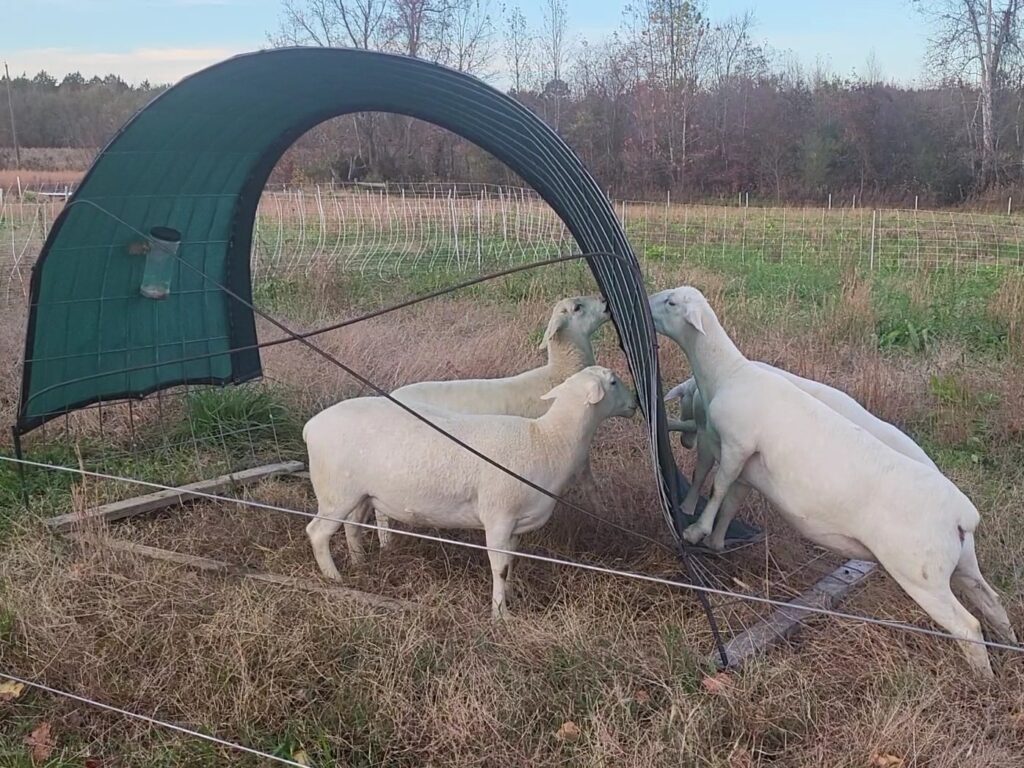
Our pasture doesn’t have much shade, and we move our sheep daily. We desperately needed something mobile for shade. After many hours researching mobile shade shelters, we decided to design and make our own. We’re very happy with it! It is light, very wind-resistant, casts a fair bit of shade, and even offers a bit of rain protection. It’s just what we needed for our sheep! We will make a post about how we made it at some point.
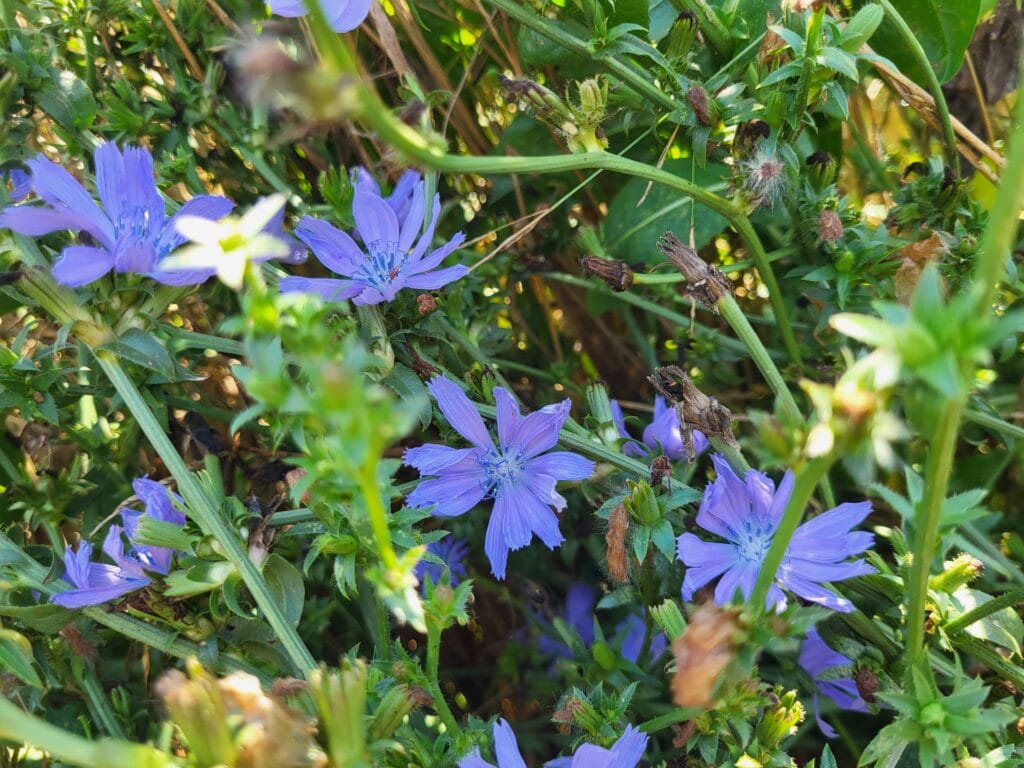
Our Most Valuable Plant of the year has been chicory. We planted it on a bit of a whim last fall, since we were at the seed store, we wanted something new for pollinators, and they had some in stock. Every day, we move our sheep to their next section of pasture . . . chicory is almost always the first plant they go for. It’s also always available – there’s always some growing no matter the time of year. It also blooms pretty much nonstop over the growing season, and has a healthy population of native bees and other insects in the morning while the flowers are open. Chicory has definitely been a great purchase for us and we would recommend it as a valuable pasture plant.
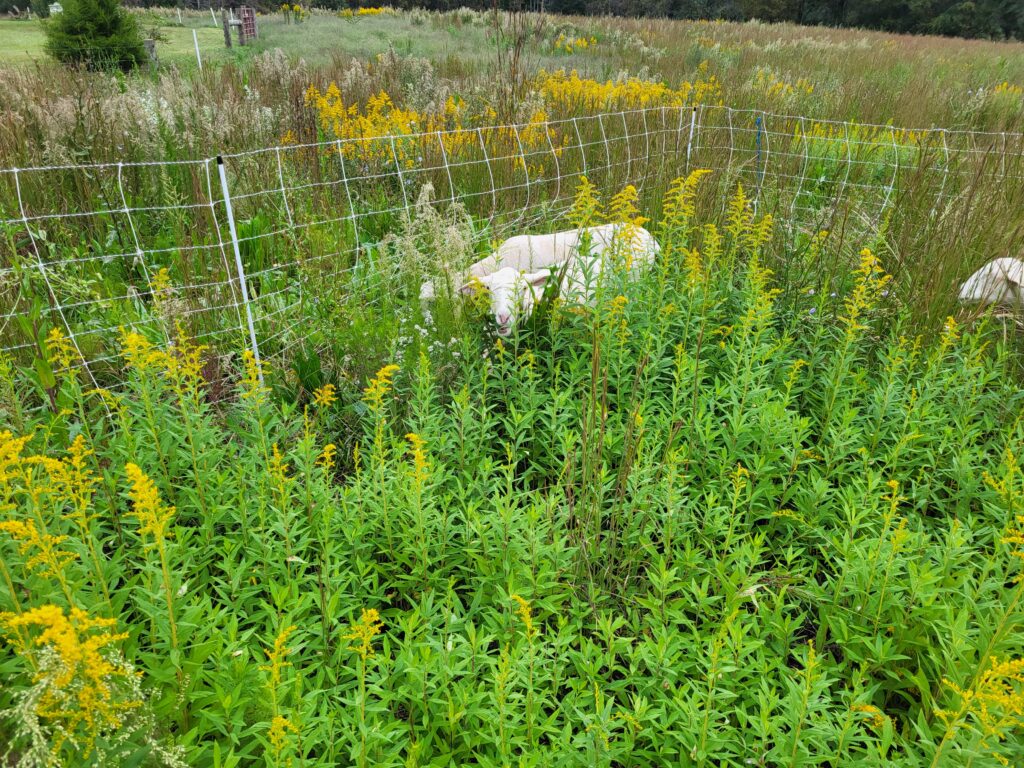
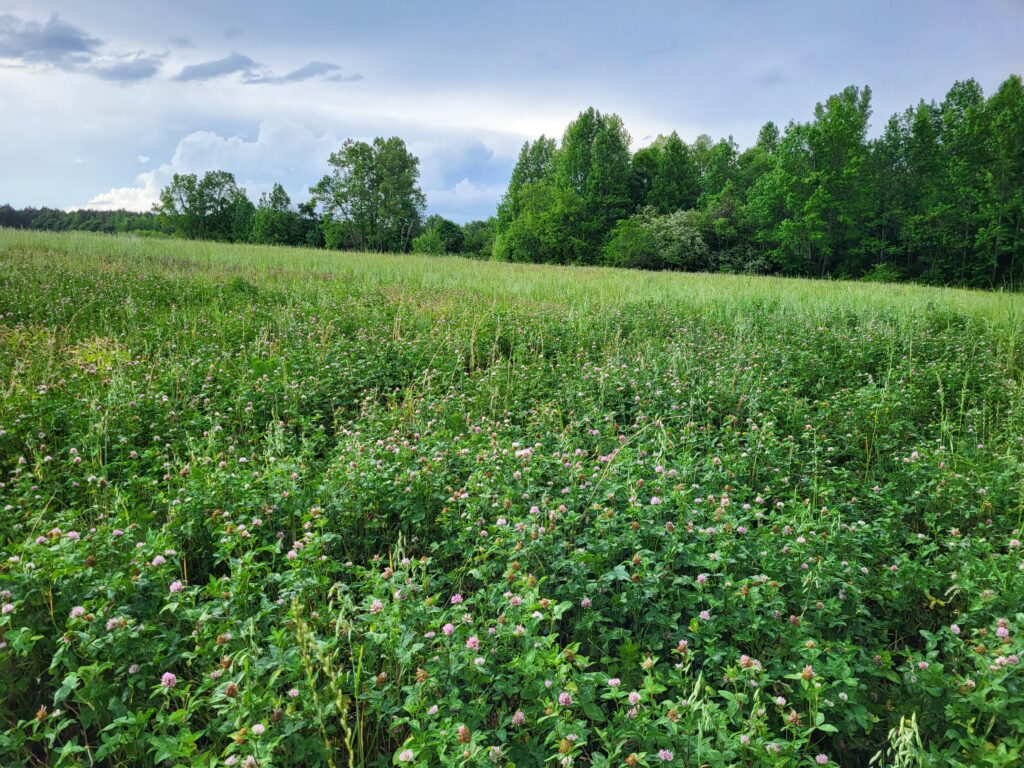
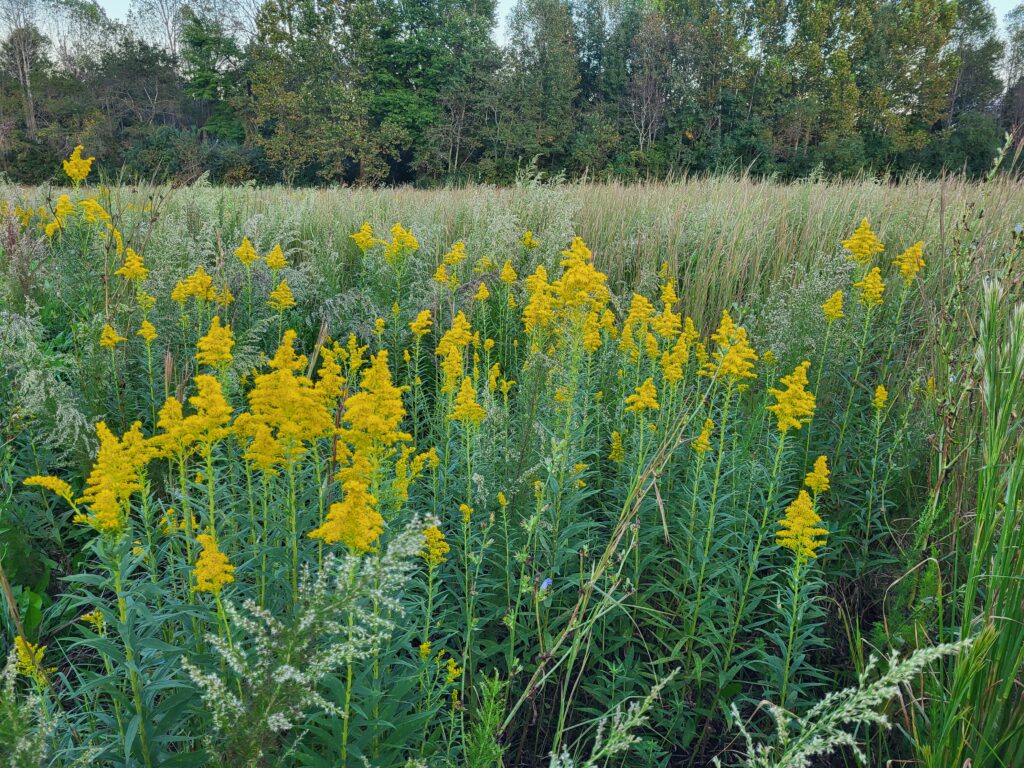
Honorable mentions include perennial red clover (blooms all summer!), wild lettuce, and goldenrod.
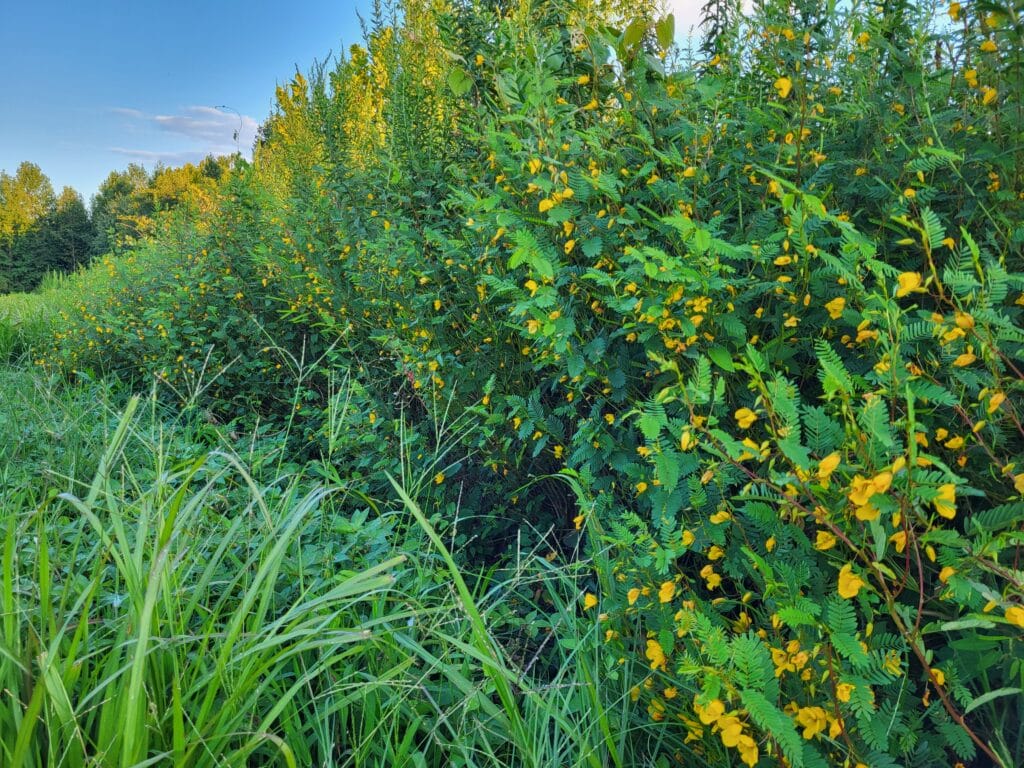
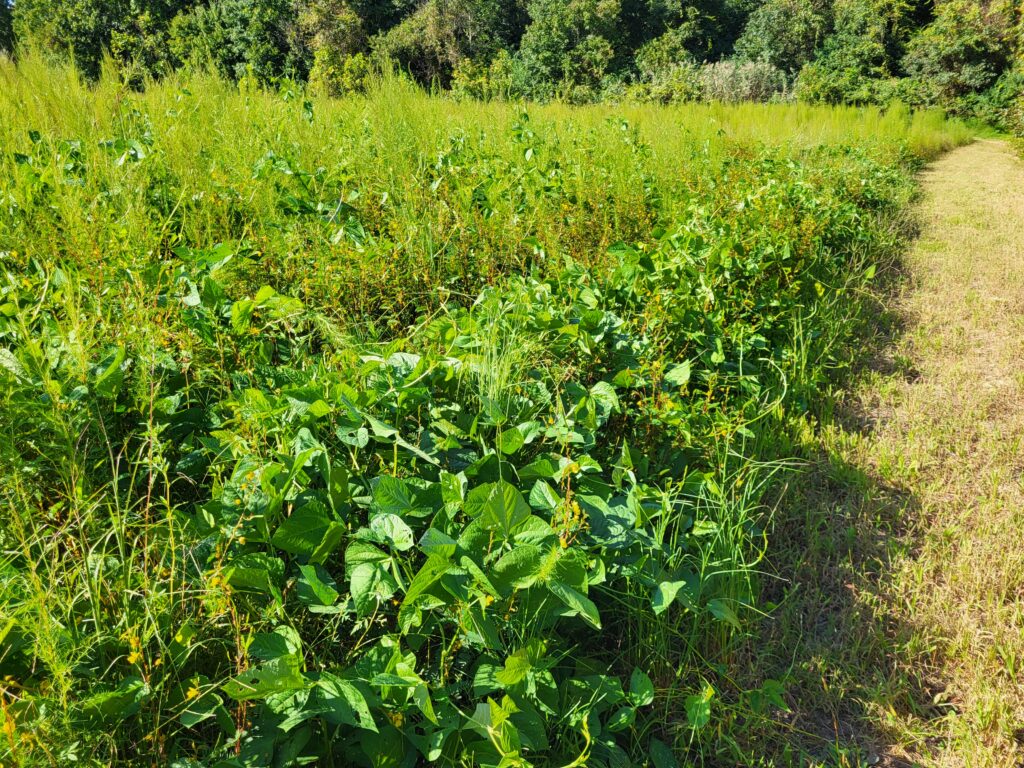
We planted several food plots of cowpeas and sunflowers, partly to help the soil health, and partly to feed our wildlife. We planted a little later than intended due to an unusually cold spring and limited availability of the Peanut Soil and Water Conservation District’s no-till seed drills. Apparently everybody else wanted to plant spring seeds, too!
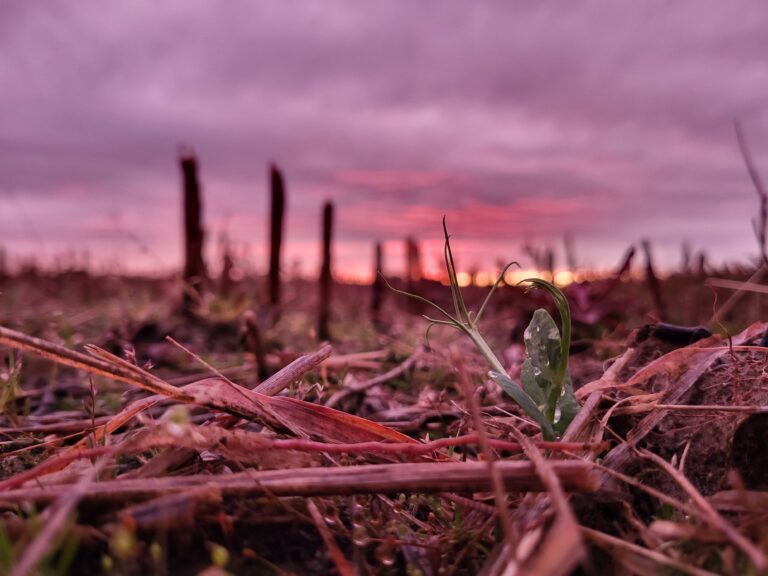
Once our local deer figured out that cowpeas are edible, they started hammering them. It didn’t matter that the stands were inconsistent, that we didn’t keep weeds at bay with herbicides, or that we didn’t use fertilizers. They loved those cowpeas while they were growing, and after the plants froze and only pods remained, they were right there eating them.
Needless to say, this will be the start of many years of cowpea food plots.
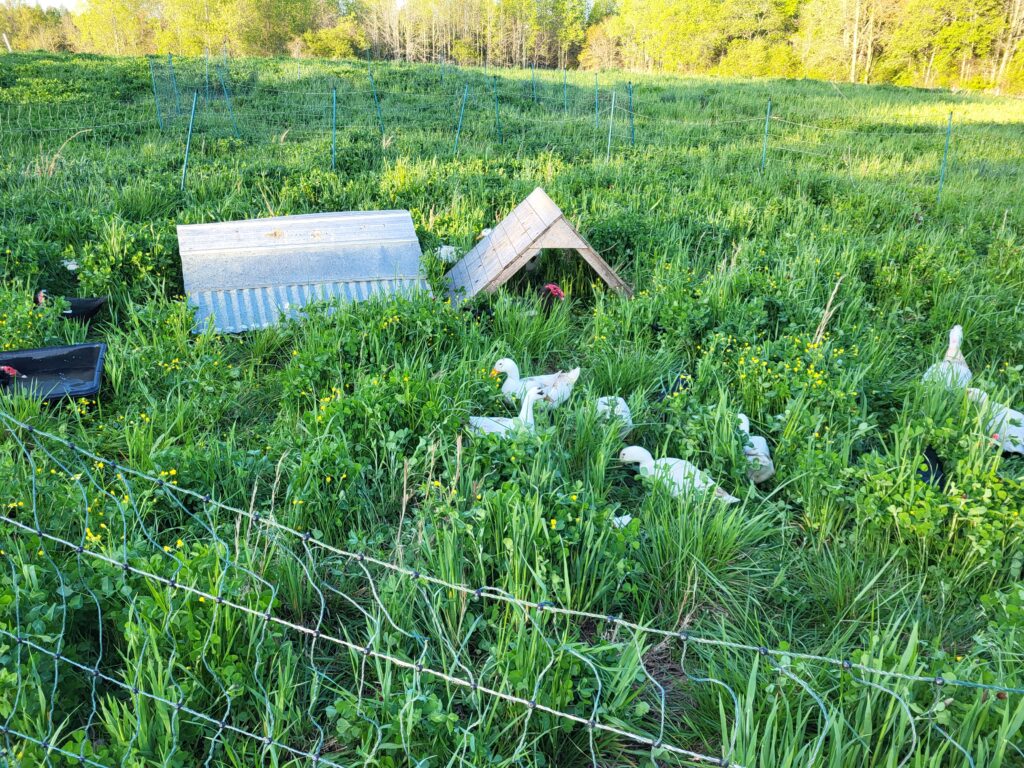
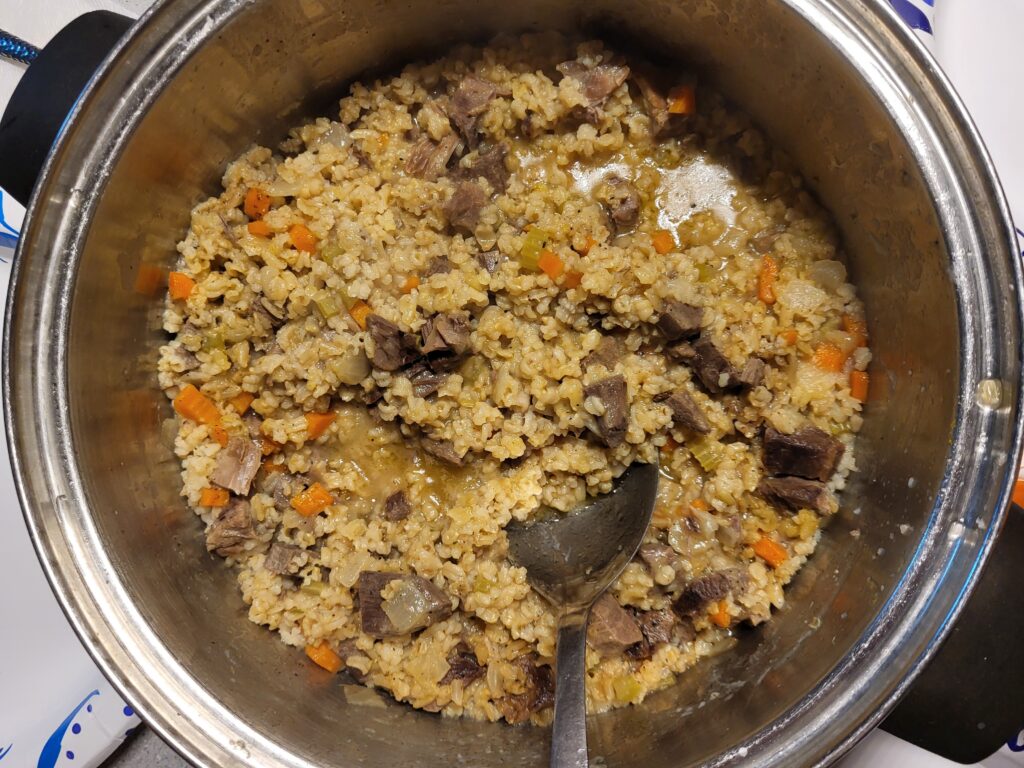
We usually sell out of goslings, but last year we ended up with an extra Cotton Patch gander. Since no one wanted to buy him, he ended up on our dinner table. We were shocked at how good Cotton Patch goose tastes! I (Abigail) have eaten Toulouse goose several times, and I have never liked the intense, gamey flavor. Our goose was nothing like that, it was really mild and had a nice flavor. If we end up with extra goslings again, there’s going to be a silver lining. Although I hope we can figure out an efficient way to pluck out a goose.
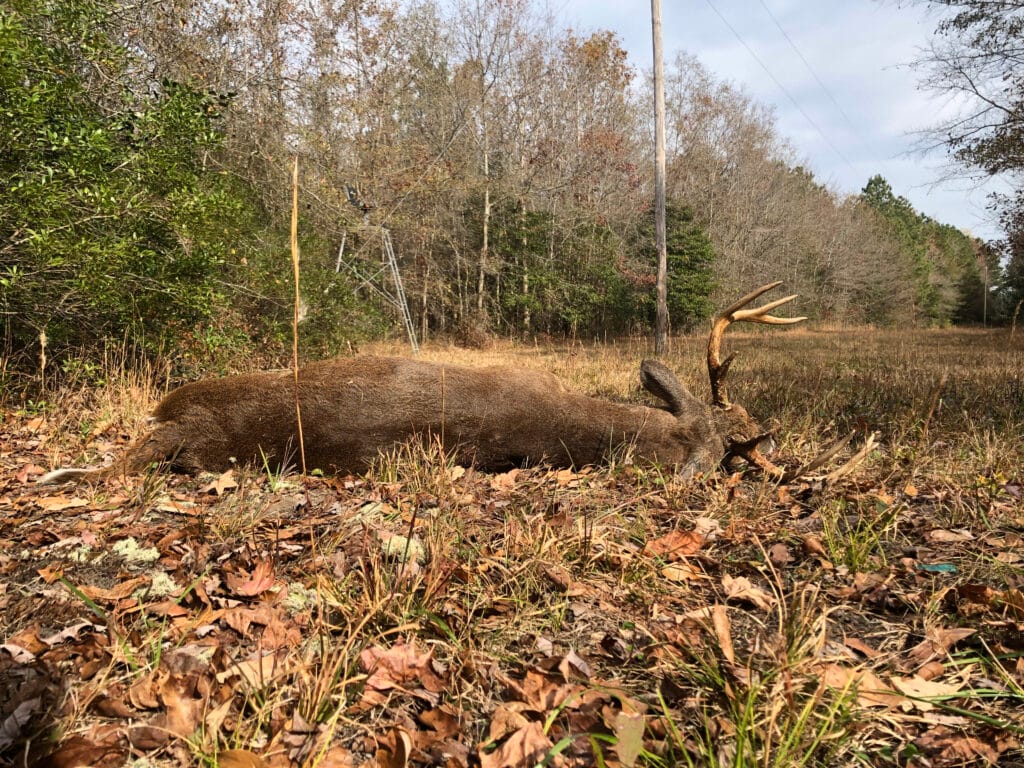
Caleb found this buck during hunting season and decided to keep it!
It was harvested during the peak of the rut. It’s interesting that this buck was taken during the period referred to as “lockdown” when fewer bucks are seen cruising for does.
We have seen way more deer here during hunting season than we have ever seen before. They seem to really like what we are doing here.
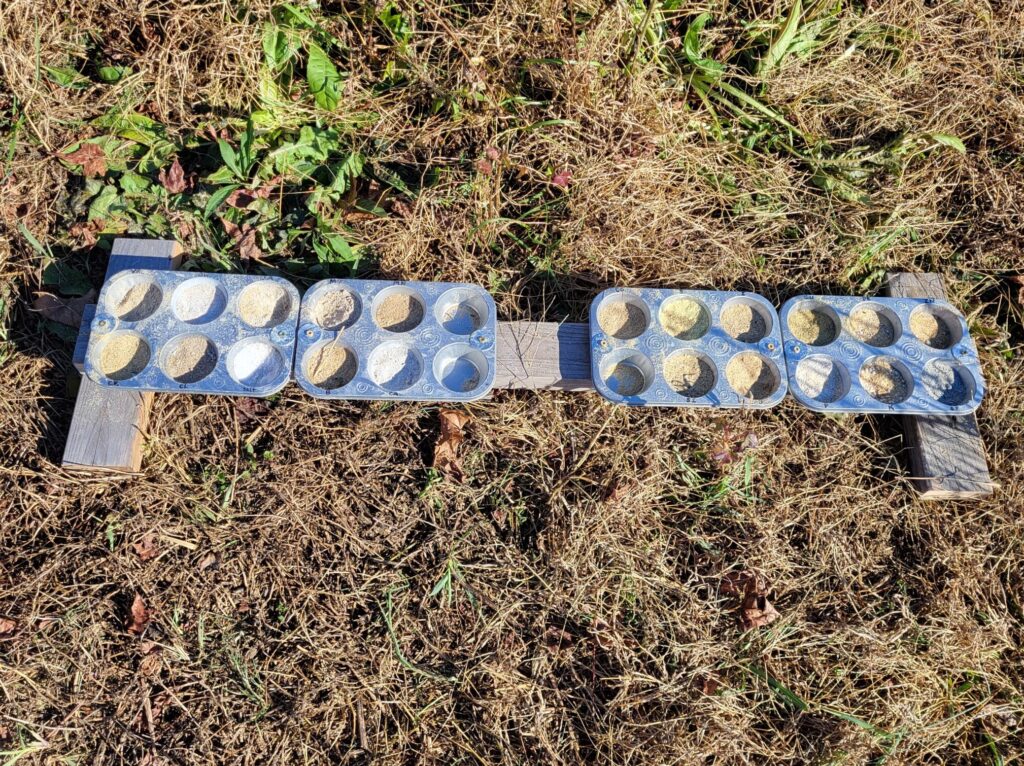
Toward the end of the year, we tried something new: a mineral buffet. What led us to try it was Pat Coleby’s Natural Care books, which state that many livestock health problems (such as susceptibility to parasites!!!) come from mineral and vitamin deficiencies, and that until a pasture’s pH is balanced and minerals are fully accessible, livestock should be offered the minerals that the pasture is deficient in. It’s best to offer them separately so that the animals can eat as much or as little as they need.
This led us to Free Choice Enterprises, a company that offers a wide variety of minerals and vitamins to offer free choice. Their minerals are diluted with salt so that animals won’t get too much too quickly, which sounded good to us. However, Free Choice Enterprises only offers minerals in bulk. Since we only have a small population of livestock for now, we decided to start small by purchasing through Little Avalon Farm, who repackages Free Choice Enterprise’s minerals in smaller bags and offers starter kits, refill bags, and a rewards program. (By the way, if you are interested in purchasing from Little Avalon Farm, we have a referral link that will give you and us $10 of credit towards a future purchase.)
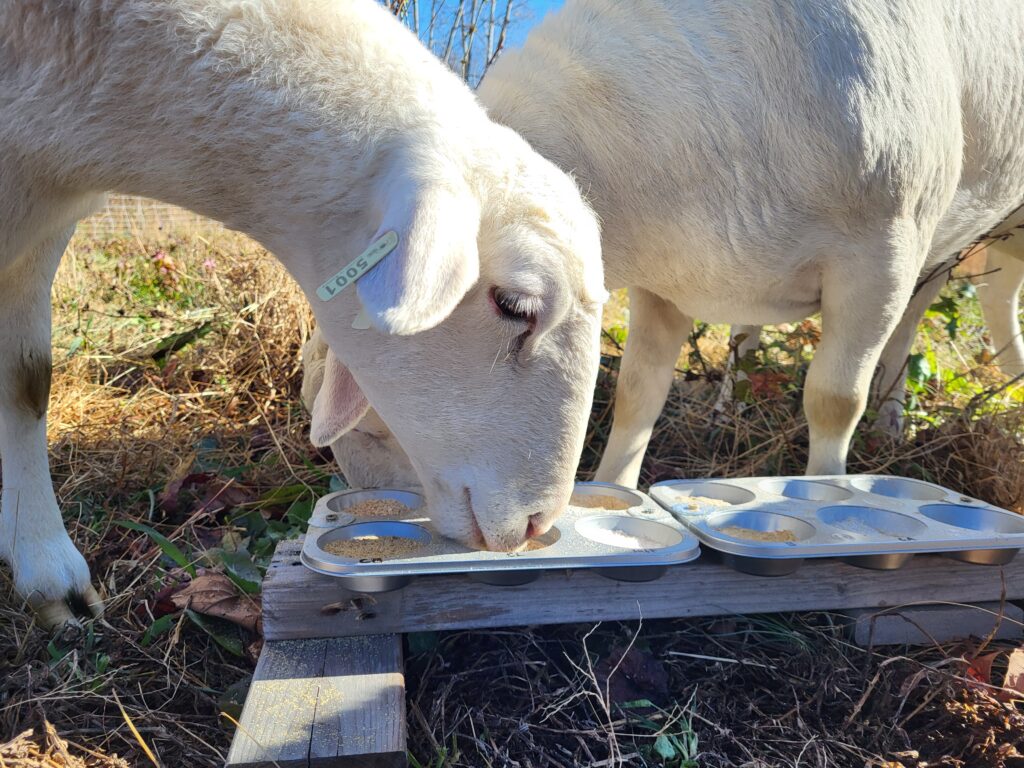
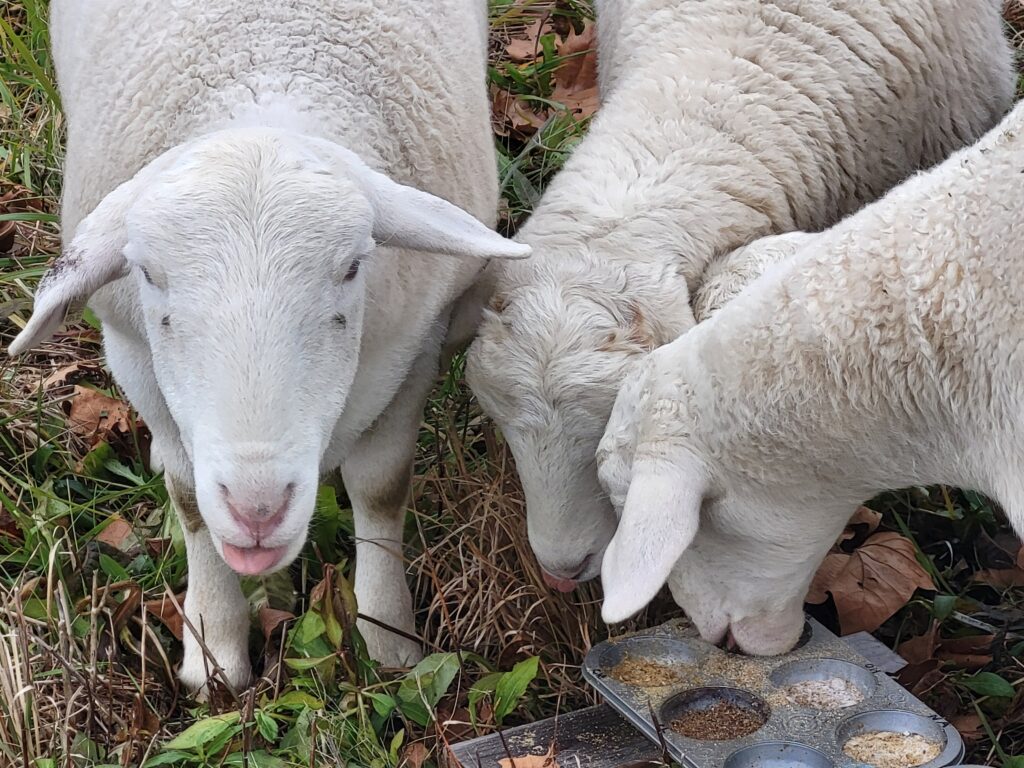
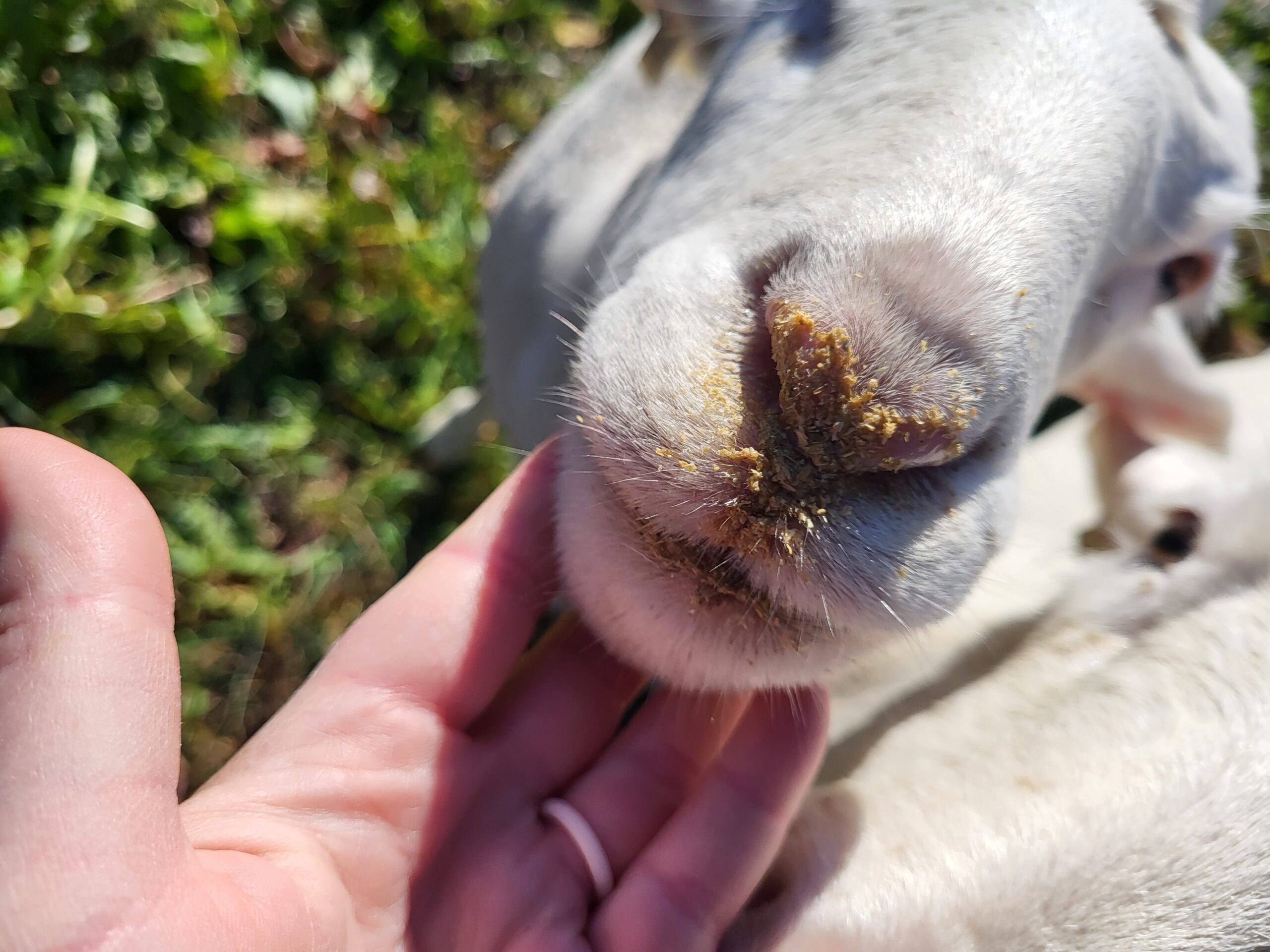
Our sheep love their mineral buffet! They warmed up to it quickly with an experimental taste of each mineral, and then they came back to the ones they liked most. It’s been interesting watching how what they eat changes on different days. There are a few things that they sample most days – the vitamin A/D/E mix is a huge hit so far this winter. We have found that they hit their buffet hard when they are in poor areas of our pasture and will polish off minerals like iron, zinc, and copper. We used to offer a typical mixed mineral, but seeing our sheep select different minerals on different days really cements this choice for us.
So far, we have had a great experience with the buffet. It gives us a LOT of peace of mind to know that where minerals are not accessible from the pasture, our sheep have an option to supplement themselves. The pasture is pretty to look at, but it takes a long time to balance pH, rebuild soil, and grow a healthy soil network. We want our sheep to have everything they need in the meantime. With the buffet, the sheep’s choices can improve the pasture – when they eat a mineral, some of it will end up going into the soil. Custom soil amendments!
It’s awkward to feed 21 separate minerals, but now that we know how much our sheep like their buffet, we will figure out a permanent mineral feeder setup. Maybe we will post about it later!
Our farm started with a cotton patch in Suffolk, and now it is starting to take on a life of its own. We are thankful to be here at Cotton Patch Farms watching it all happen.
On to 2026!